Language

Ply board, commonly known as plywood, is one of the most widely used engineered wood materials in construction, furniture manufacturing, cabinetry, and industrial applications. Its layered construction provides superior strength, dimensional stability, and versatility compared to many solid wood and composite alternatives.
However, not all ply boards are the same. Different core constructions, grades, thicknesses, and specialty treatments make certain types more suitable for specific applications. Choosing the wrong type can lead to structural failure, reduced durability, or unnecessary costs.
This guide explains the different types of ply board, how they are constructed, and how to select the right one based on strength, moisture resistance, and intended use.
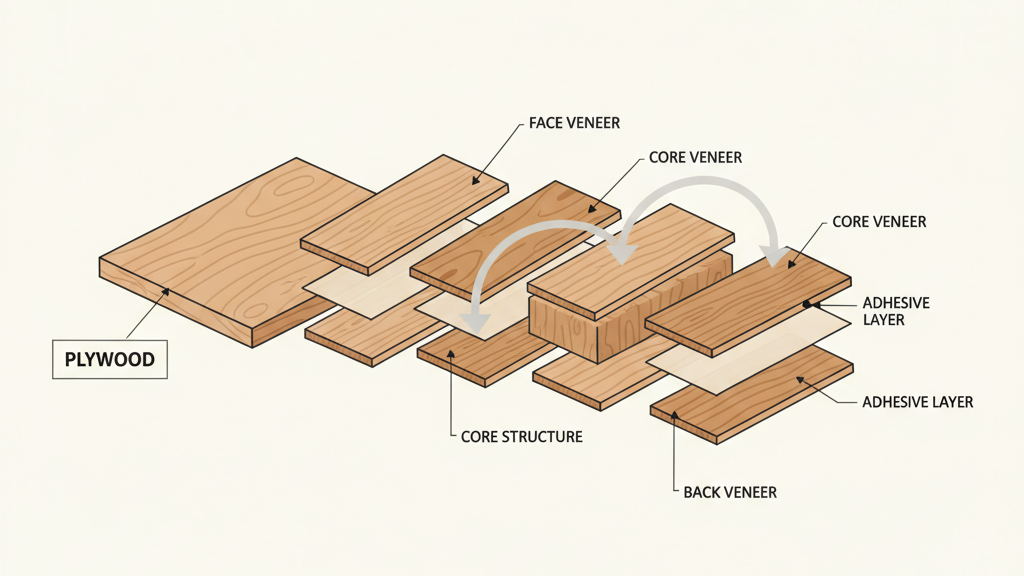
Ply board is manufactured by bonding thin layers of wood veneer together using high-strength adhesives. Each layer is oriented perpendicular to the adjacent layer, a design known as cross-grain construction.
This structure provides several critical advantages:
Typically, ply board contains an odd number of layers to maintain structural balance.
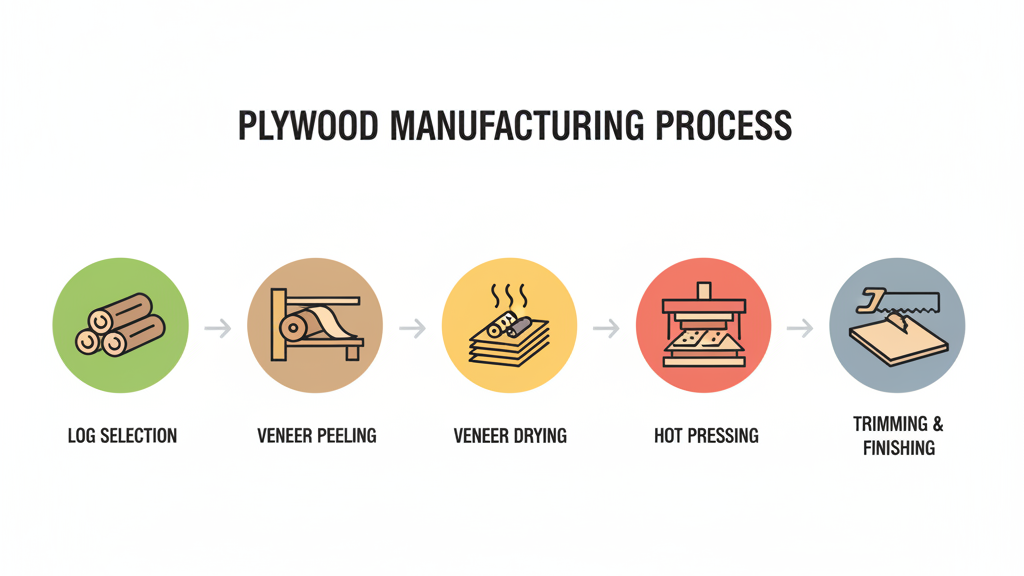
The ply board manufacturing process involves several controlled steps to ensure durability and consistency:
The quality of raw materials, adhesive, and manufacturing precision directly affects the performance and lifespan of the finished ply board.
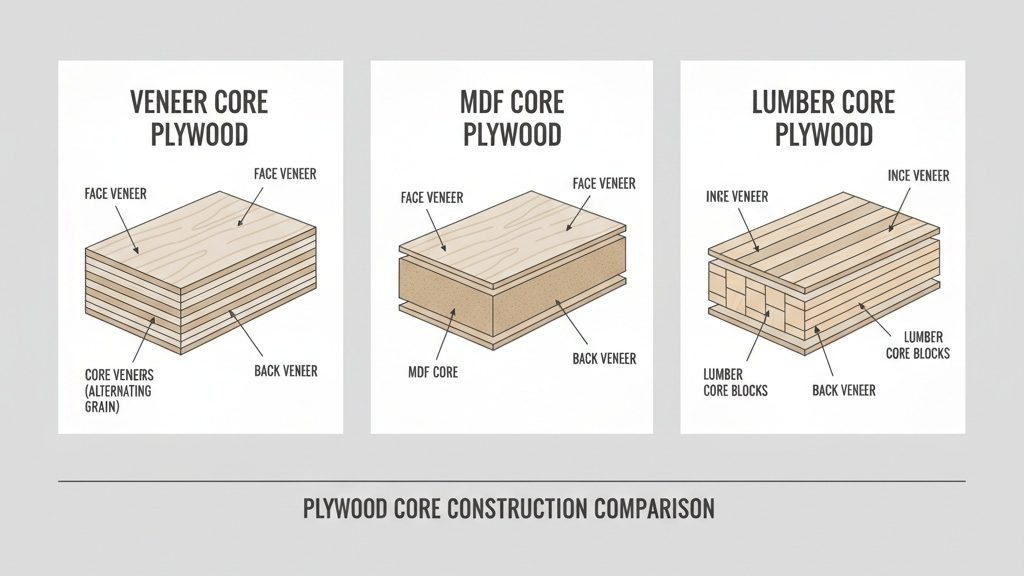
The core construction significantly influences strength, weight, screw holding ability, and application suitability.
Veneer core ply board consists entirely of layered wood veneers.
Key characteristics:
Common applications:
This is the most widely used and versatile type of ply board.
This type features wood veneer outer layers with a medium-density fiberboard core.
Key characteristics:
Common applications:
It provides better surface uniformity but lower structural strength than veneer core ply board.
Lumber core ply board uses solid wood strips as the central core layer.
Key characteristics:
Common applications:
This type is preferred when maximum stiffness is required.
Different applications require specific ply board properties.
Designed for load-bearing and structural uses.
Applications include:
These boards provide high strength and durability.
Designed for interior furniture applications.
Applications include:
These boards offer smooth surfaces and good machining performance.
Marine ply board is designed for high-moisture environments.
Key characteristics:
Applications include:
Designed for outdoor use with resistance to environmental exposure.
Applications include:
Designed for indoor applications where moisture exposure is minimal.
Applications include:
This type is cost-effective and widely used.
The wood species affects strength, durability, and cost.
Made from hardwood species such as birch, maple, or oak.
Key advantages:
Common applications:
Made from softwood species such as pine or fir.
Key advantages:
Common applications:
Ply board grades reflect surface quality and intended use.
Characteristics:
Best for:
Characteristics:
Best for:
Characteristics:
Best for:
Characteristics:
Visible defects and imperfections
Best for:
Hidden structural applications
Some applications require specialized ply board types.
Designed to resist fire spread.
Applications include:
Designed to bend without cracking.
Applications include:
Features a protective coated surface.
Applications include:
Designed for extreme strength and weight efficiency.
Applications include:
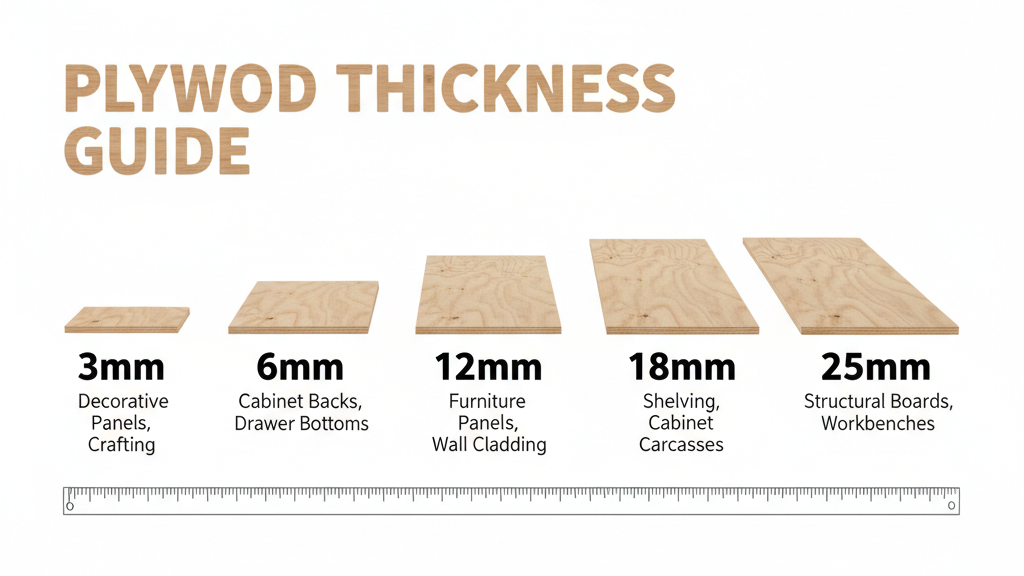
Thickness selection affects strength and load capacity.
| Thickness | Common Applications |
| 3 mm | Decorative surfaces |
| 6 mm | Back panels |
| 12 mm | Cabinets |
| 18 mm | Furniture construction |
| 25 mm | Structural applications |
Thicker panels provide greater load-bearing capacity and durability.
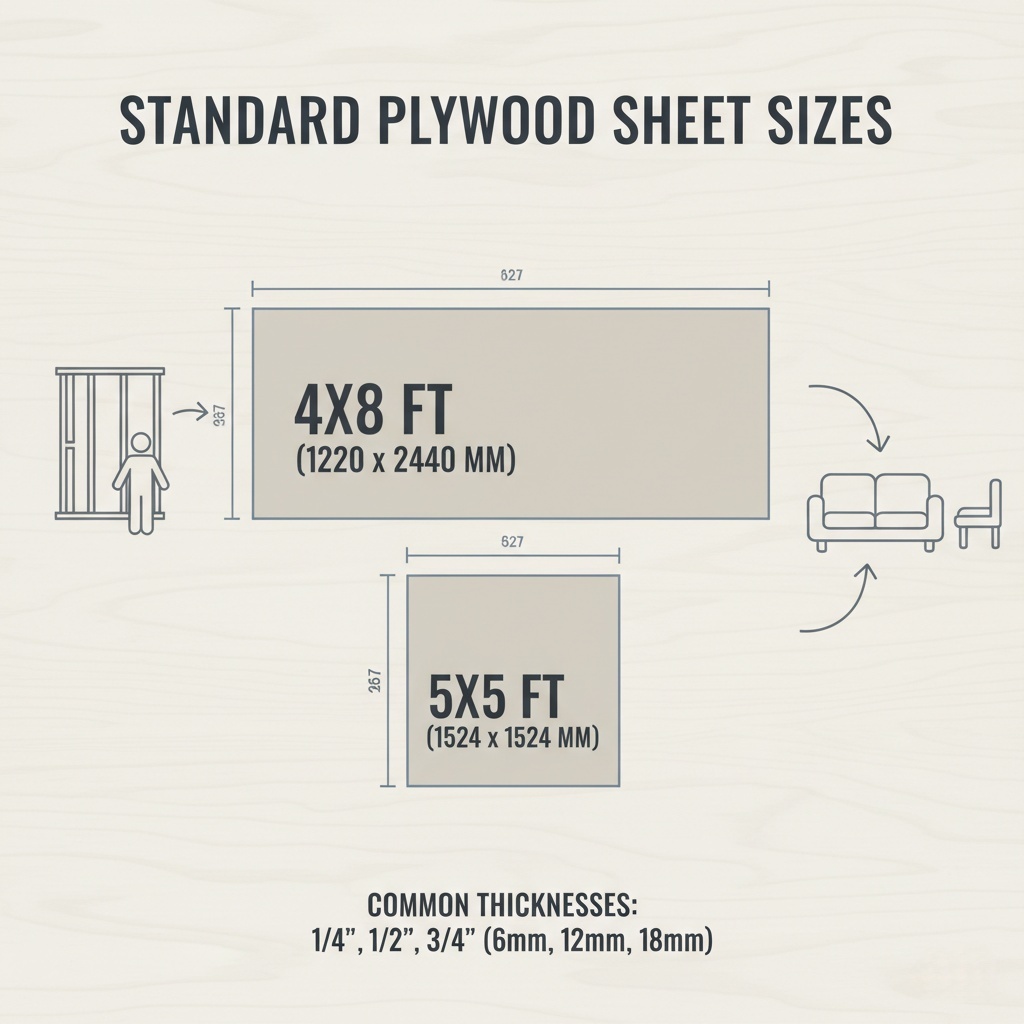
Common sheet sizes include:
Selecting the correct size reduces waste and improves efficiency.
Choosing the right ply board depends on application, environment, and structural requirements.
| Application | Recommended Type |
| Furniture | Hardwood ply board |
| Construction | Structural ply board |
| Outdoor use | Marine ply board |
| Cabinetry | Furniture grade ply board |
| Environment | Recommended Type |
| Dry areas | Interior ply board |
| Moderate humidity | Exterior ply board |
| Wet environments | Marine ply board |
High-load applications require thicker, higher-grade ply board with strong core construction.
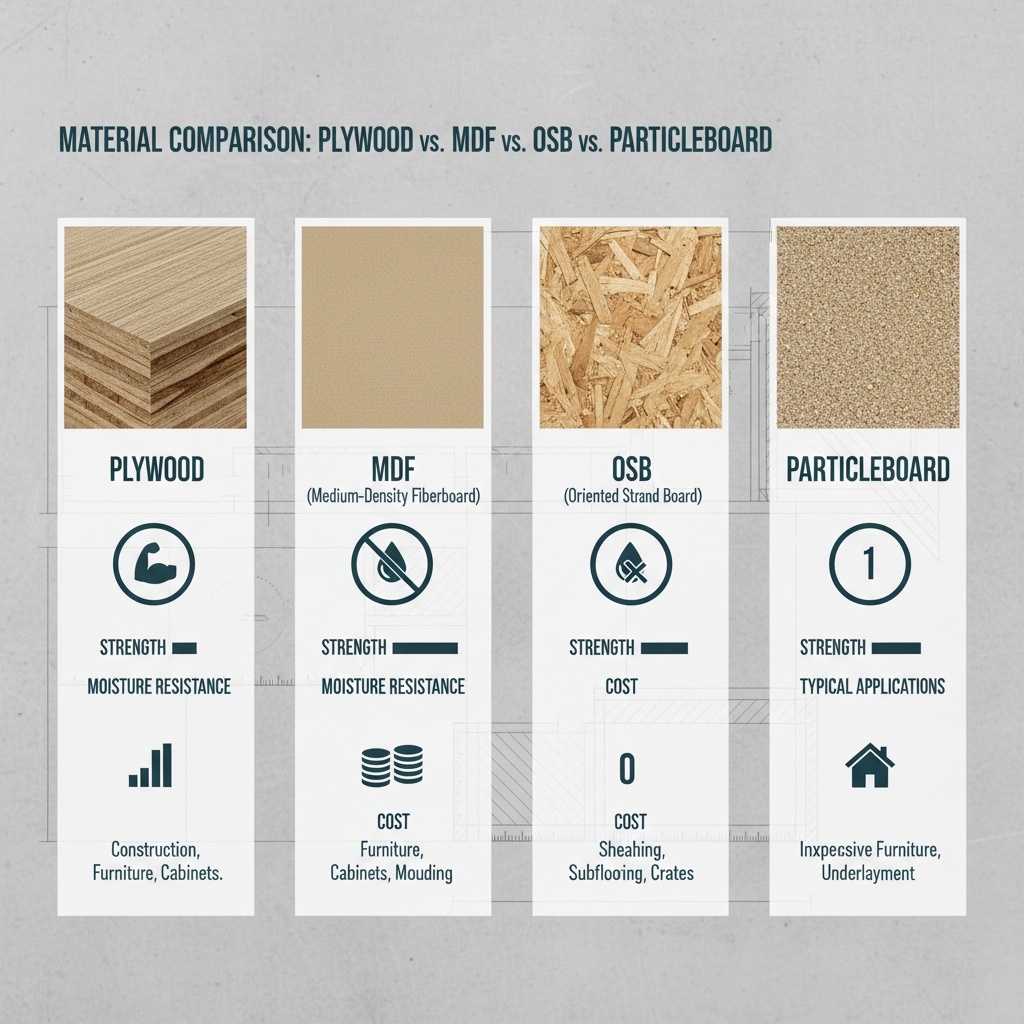
Understanding alternatives helps ensure proper material selection.
| Material | Strength | Moisture Resistance | Cost | Best Use |
| Ply board | High | Medium–High | Medium | Structural and furniture |
| MDF | Medium | Low | Low | Decorative furniture |
| OSB | High | Medium | Low | Structural construction |
| Particleboard | Low | Low | Very low | Furniture interiors |
Ply board offers the best balance of strength, durability, and versatility.
Key benefits include:
Limitations include:
Selecting the correct type minimizes these limitations.
Avoid these common errors:
Proper selection ensures long-term performance.
| Application | Best Ply Board Type |
| Furniture | Hardwood ply board |
| Cabinets | Furniture grade ply board |
| Construction | Structural ply board |
| Outdoor use | Marine ply board |
| Shelving | Lumber core ply board |
Lumber core and hardwood ply boards provide the highest strength and load capacity.
Marine ply board offers the highest moisture resistance and waterproof performance.
Furniture grade hardwood ply board provides the best combination of strength, appearance, and durability.
18 mm is commonly used for furniture, while thicker panels are required for structural applications.
Marine ply board and high-grade hardwood ply boards offer the longest service life.
Ply board is a versatile engineered wood material designed to meet a wide range of structural and decorative requirements. Its layered construction provides superior strength, stability, and durability compared to many alternative materials.
Understanding the different types of ply board—including core construction, grades, thickness, and application suitability—ensures proper material selection. Marine ply board is ideal for wet environments, hardwood ply board is preferred for furniture, and structural ply board provides reliable load-bearing performance.
Selecting the correct ply board improves durability, safety, and overall project success while reducing long-term maintenance and replacement costs.
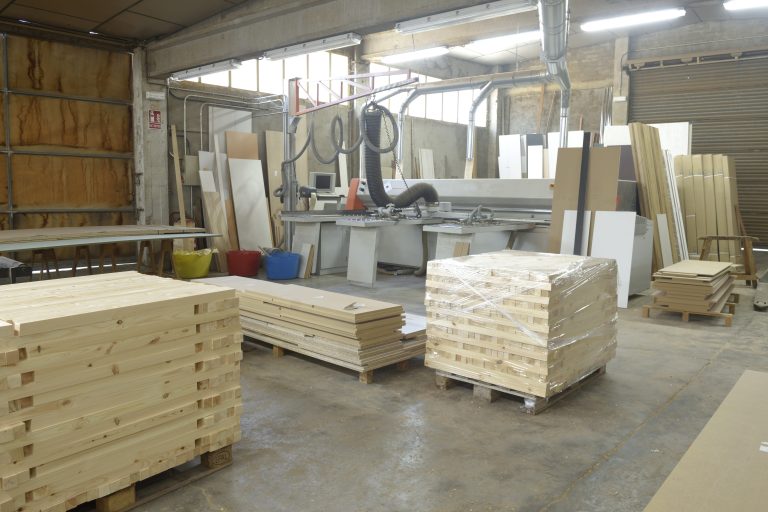
Different Types of Ply Board: Complete Guide to Core Types, Grades, Thickness, and Applications
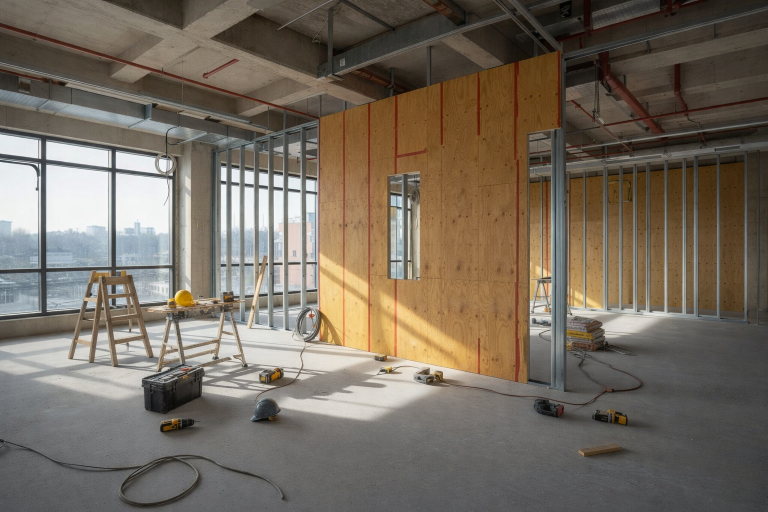
Fire Rated Plywood Rating: Complete Guide to Fire Resistance Classes, Standards, and Selection
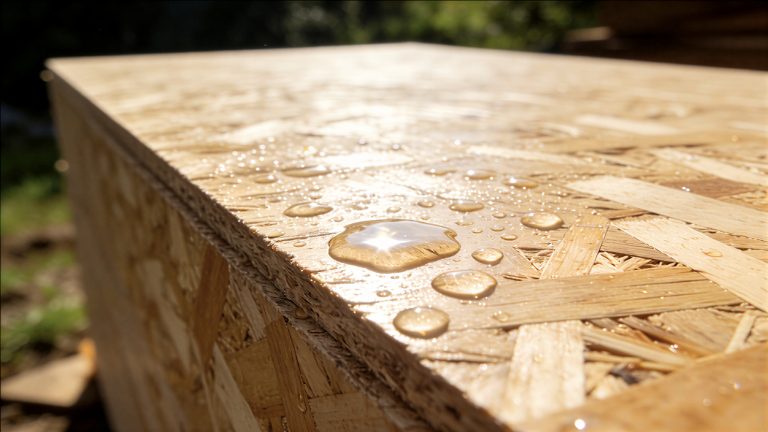
Plywood Water Resistance and Why It Fails in Real-World Use

Best Plywood for Outdoor Use That Holds Up Outside