Language

If pure pour count and surface finish are your priority, film-faced plywood lasts longer — it’s built specifically to survive repeated contact with wet concrete and release cleanly every time. But if your formwork doubles as a walking surface or scaffold deck, antislip plywood will outlast film-faced boards in a very different way: it won’t send anyone to the hospital. The honest answer is that ‘lasts longer’ depends entirely on what job you’re asking the panel to do.
Here’s a mistake we see constantly: contractors comparing plywood durability like it’s a single number. It isn’t. A formwork panel can fail in at least three different ways — delamination from moisture, surface wear from abrasion against aggregate, or edge swelling that ruins the concrete finish. Film-faced plywood and antislip plywood fail differently, and that’s the real story.
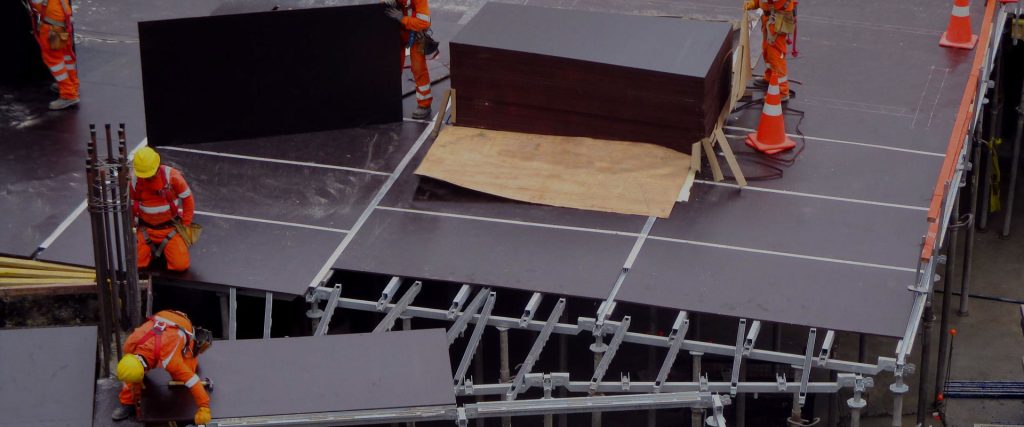
Film-faced plywood is engineered around one job: releasing cleanly from cured concrete, pour after pour, without absorbing water into the core. Antislip plywood is engineered around a completely different job: giving workers grip on wet, muddy, or oily surfaces. Judging them by the same yardstick is like comparing a raincoat to a pair of hiking boots.
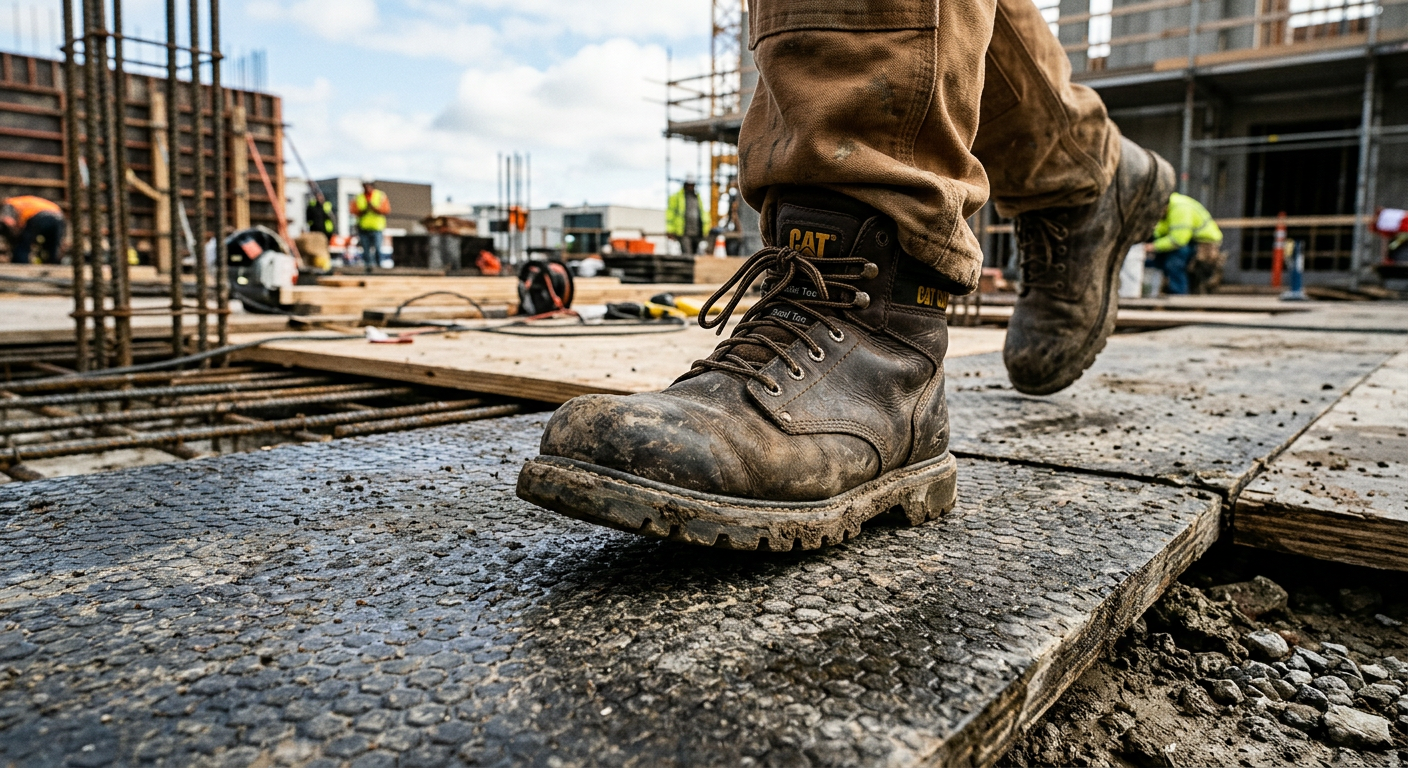
A quality film-faced panel — birch or poplar core, phenolic film both sides, WBP (weather-and-boil-proof) glue — will typically survive 10 to 15 reuses before the film starts peeling or the edges swell. That’s the industry benchmark, and it’s why film-faced plywood dominates high-rise and infrastructure formwork where the same panel gets stripped and re-set dozens of times in a single project.
The film itself is the hero here. It’s a phenolic resin-impregnated layer bonded under heat and pressure, and it does two things: it stops water penetrating the core, and it gives cured concrete a smooth, low-friction surface to release from. Without that film, every pour would drive moisture a little deeper into the veneers, and by pour four or five you’d see swelling at the edges.
Almost every film-faced plywood failure we’ve inspected starts at an unsealed edge or a fastener hole. Water doesn’t usually get through the face film — it creeps in sideways. That’s why edge sealing isn’t optional; skip it and you’ll cut your reuse count in half, easily.
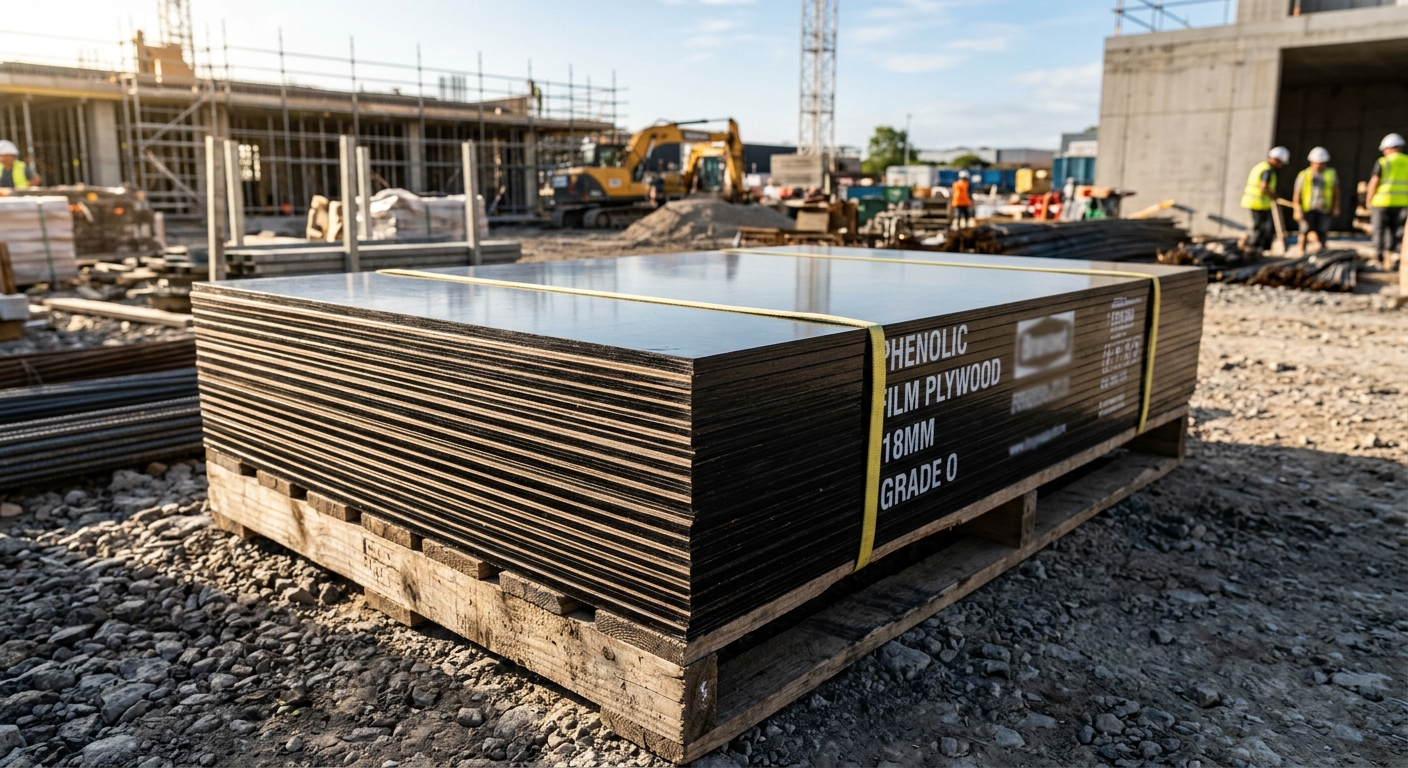
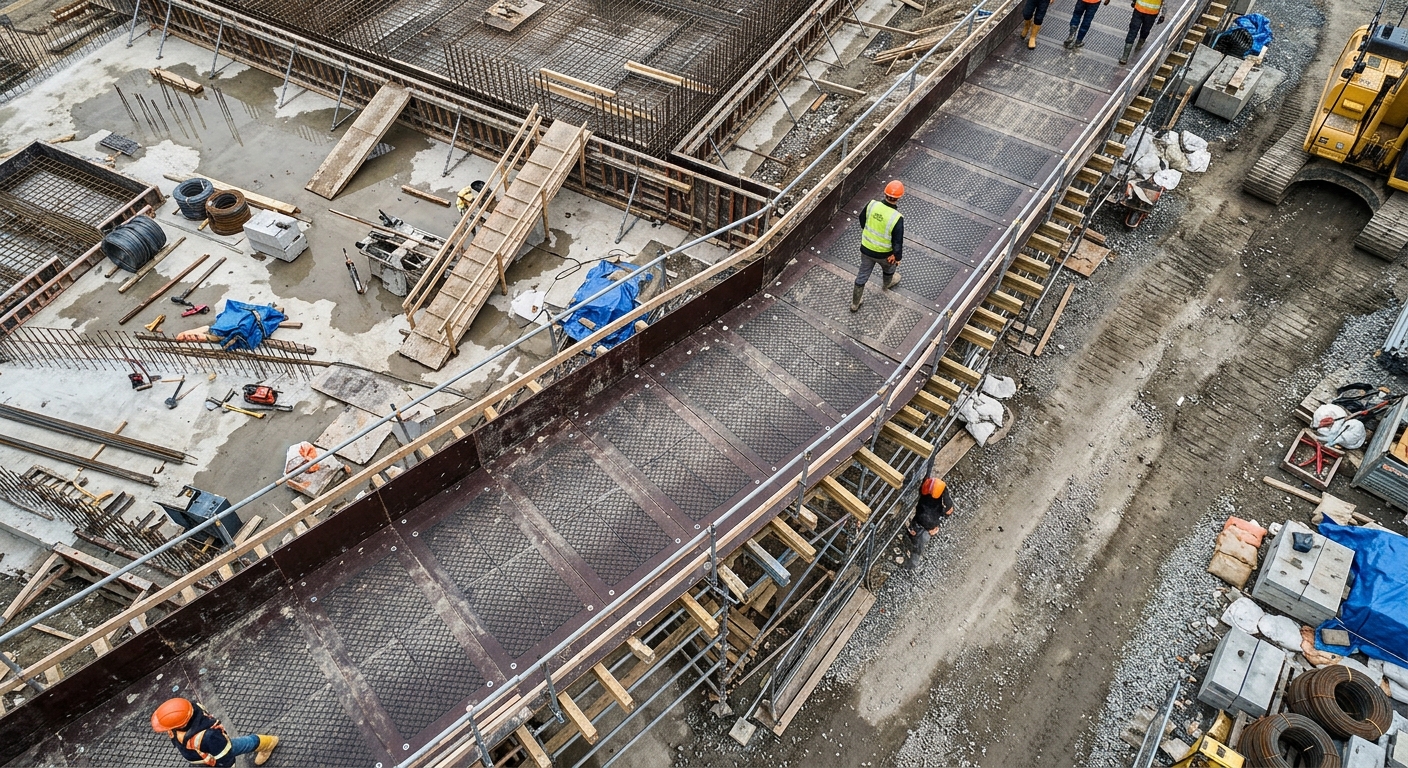
Antislip plywood doesn’t compete on pour count — it competes on incident avoidance. The textured or grit-coated surface (often a phenolic overlay embedded with abrasive particles) gives dramatically better traction when wet, and on a formwork job that’s not a minor detail. Wet formwork platforms and access ramps are one of the most common slip-and-fall hazards on concrete sites.
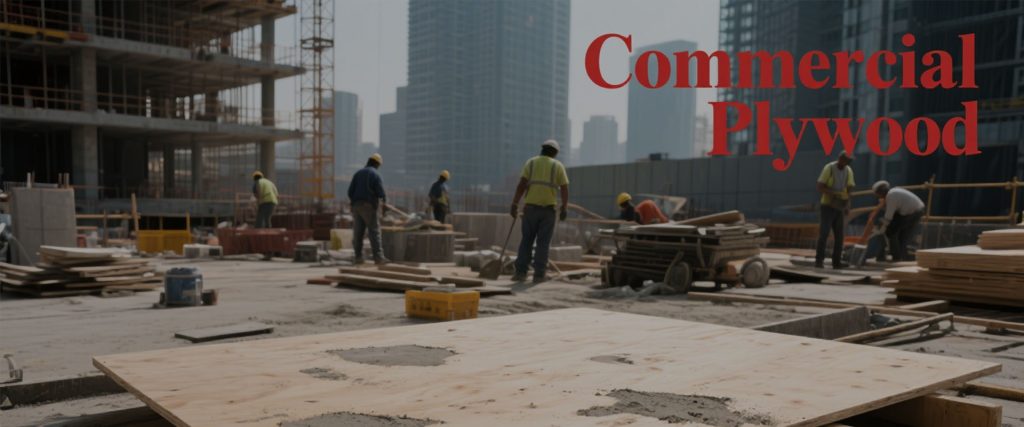
For example, a mid-size contractor building a parking structure might use film-faced panels for the vertical wall forms where finish quality matters, but switch to antislip plywood for the horizontal work platforms and access ramps crews walk across all day. Same project, two different panels, two different jobs — and both ‘last’ exactly as long as they need to for their purpose.
The textured coating is the first thing to go. After 5-8 pour cycles with heavy foot traffic, the grit layer starts smoothing out from abrasion, and that’s when traction — not structural strength — becomes the failure point. The plywood core underneath might still be perfectly sound.
Sticker price is misleading. Film-faced plywood costs more per sheet, but if it survives twice as many pours, your actual cost-per-pour drops significantly. Run the math on a typical project: a film-faced sheet at a higher unit price surviving 12 pours will almost always beat an antislip or standard sheet at a lower price surviving 5 pours, once you factor in labor for panel replacement and formwork downtime.
Antislip plywood isn’t trying to win this comparison, though — it’s solving a safety problem, not a formwork-reuse problem. Comparing its cost-per-pour to film-faced plywood’s is a bit like comparing the ROI of a fire extinguisher to a forklift. Different budgets, different justifications.
| Factor | Film-Faced Plywood | Antislip Plywood |
|---|---|---|
| Typical reuse cycles | 10-15 pours | 5-8 pours |
| Surface finish on concrete | Smooth, ready-to-paint | Textured, visible grain marks |
| Water resistance | High (phenolic film + WBP glue) | Moderate (depends on coating) |
| Jobsite slip safety | Poor when wet | Excellent traction |
| Best use case | Exposed concrete formwork | Walkways, ramps, scaffolding decks |
| Cost per sheet | Higher upfront | Lower upfront |
| Cost per pour (amortized) | Lower long-term | Higher long-term |
| Edge sealing requirement | Mandatory | Recommended |
Both panel types can be built on different cores, and that choice affects durability as much as the surface treatment does. A hardwood birch core film-faced sheet will outlast a poplar or combi-core version by several pour cycles simply because birch veneers resist crushing and edge swelling better under repeated pressure.
If you’re sourcing either panel type, ask your supplier directly about core composition — don’t assume ‘film-faced’ or ‘antislip’ means one fixed spec. For a deeper look at how core choice affects overall panel performance, our guide to ply board core types, grades, and applications breaks down exactly which cores suit which load conditions.
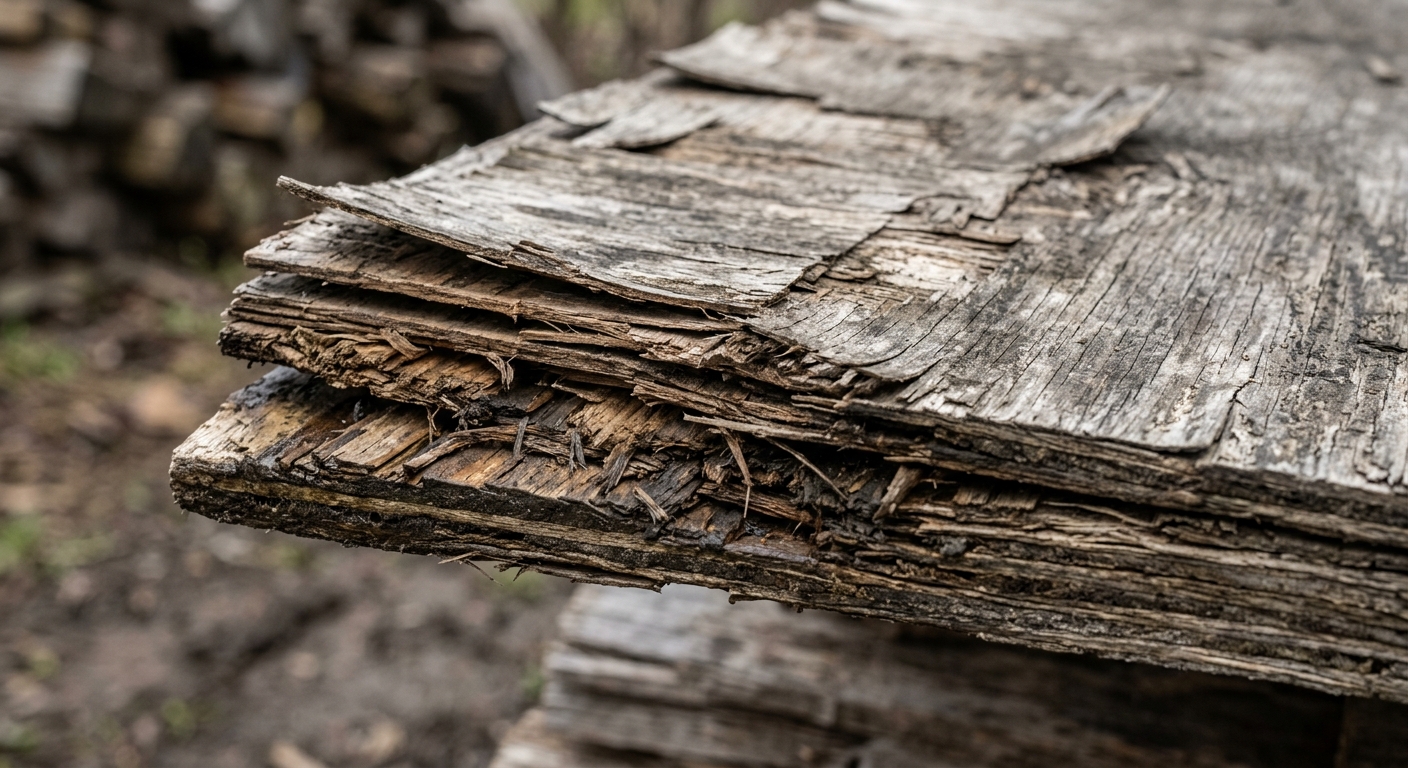
Neither film-faced nor antislip plywood is immune to water damage; they’re just resistant to it in different degrees and different ways. Standing water pooling on a horizontal antislip platform for days will eventually work through the coating and into the veneers. Unsealed cut edges on film-faced sheets will swell and delaminate faster than most people expect — sometimes within 3-4 pours if left unprotected.
We’ve covered this failure pattern in more depth in our breakdown of plywood water resistance and why it fails in real-world use — it’s worth a read before you spec either panel for a wet or coastal jobsite.
The cheapest mistake on a jobsite is buying one plywood type for every application because it’s simpler to order. It’s not simpler — it’s expensive in the long run. Here’s a quick decision framework:
Whatever you choose, order from a supplier who can actually confirm reuse-cycle data and certification, not just a spec sheet. Browse the full plywood product range to compare panel types side by side before you commit to bulk quantities.
If you’re importing formwork plywood in bulk, certification isn’t paperwork — it’s your evidence that the WBP glue and phenolic film actually meet the water-resistance standard they claim. Look for CE and CARB compliance at minimum, and FSC if your project has sustainability reporting requirements. A panel without certification might perform fine on pour one, but you have no guarantee it’ll survive pour ten.

How to Inspect Plywood Core Voids and Delamination Before Accepting a Bulk Order

Plywood Container Loading Guide: Moisture Protection, Palletizing, and Sheet Damage Prevention

Film-Faced vs. Antislip Plywood for Concrete Formwork: Which One Actually Lasts Longer?

Understanding Bond Line Strength: The Adhesive Science Behind Durable Plywood

Acoustic Wall Panels in Modern Office Fit-Outs: Design Choices That Pay Off
Anti-Slip Plywood for Campervan Flooring: Why Vehicle Builders Are Switching in 2026
Loading languages…