Language
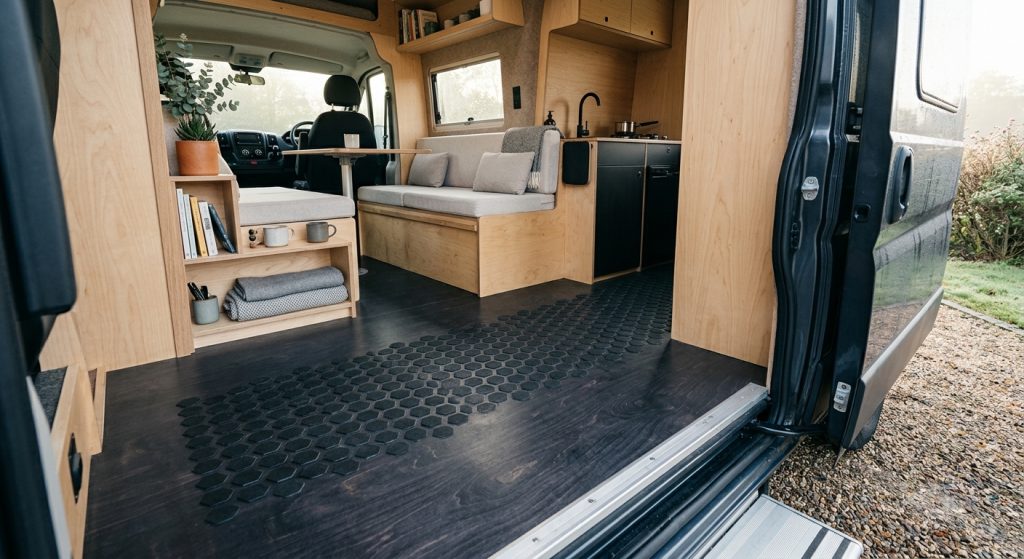
Anti-slip plywood — typically a birch or hardwood core with a phenolic-resin film and a hexagonal mesh pattern pressed into the top face — has become the default flooring choice for serious campervan builders in 2026 because it delivers a wet coefficient of friction above 0.55, roughly three times that of smooth film-faced board. Add an 8–12 year service life, easy hose-down cleaning, and a hard-wearing surface that survives muddy boots, dog claws, and dropped tool boxes, and the switch makes obvious sense. The newer generation of European van conversions, fleet shuttle vehicles, and DIY adventure rigs all lean on the same panel for the same reason: it stops being a problem the moment it’s installed.
Most people picture rubber-coated mats. Anti-slip plywood is different — the grip is engineered into the panel itself.
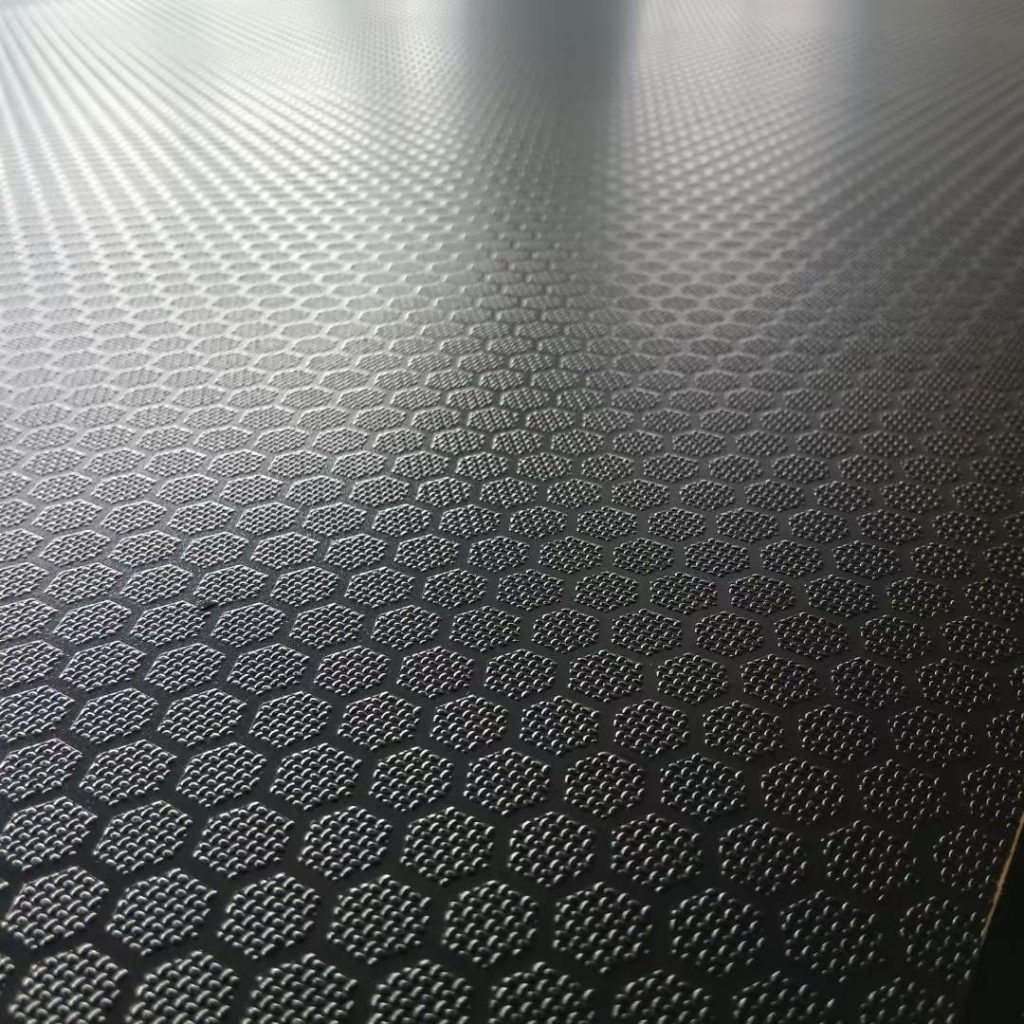
The construction is straightforward: a multi-ply hardwood core (usually birch or eucalyptus, 9 to 21 plies for 18mm panels), a high-density phenolic film on both faces, and a hexagonal or wire-mesh texture stamped into the top film during hot-pressing at around 130°C. That hexagonal pattern is the working surface. It creates micro-channels that push water sideways instead of letting it sit between a boot sole and the floor.
Why does that matter inside a van? Because campervan floors get wet. Not occasionally — constantly. Wet swimsuits, ski boots, surfboards leaking saltwater, a dog shaking off rain. A smooth floor in that environment is a slip injury waiting to happen, and in commercial conversions it’s a liability that insurers increasingly ask about.
Three shifts converged this year, and together they tipped the market.
Across the EU and UK, IVA and national type approval inspectors are now flagging slippery interior floors during habitation checks on professionally converted vans. Builders who used to get away with smooth marine ply or varnished pine are getting kickbacks. Anti-slip panels pass on visual inspection alone.
Campervan rental operators saw a noticeable uptick in slip-and-fall claims through 2024–2025. Several large fleet insurers now offer reduced premiums for fleets with documented anti-slip flooring. That single line item often pays back the upgrade cost within two seasons.
Five years ago, hexa-grip plywood carried a 30–40% price premium over plain film-faced board. With increased birch ply output and more pressing lines dedicated to anti-slip product (we run two lines ourselves), that gap has closed to roughly 12–18%. At that delta, the durability math wins easily.
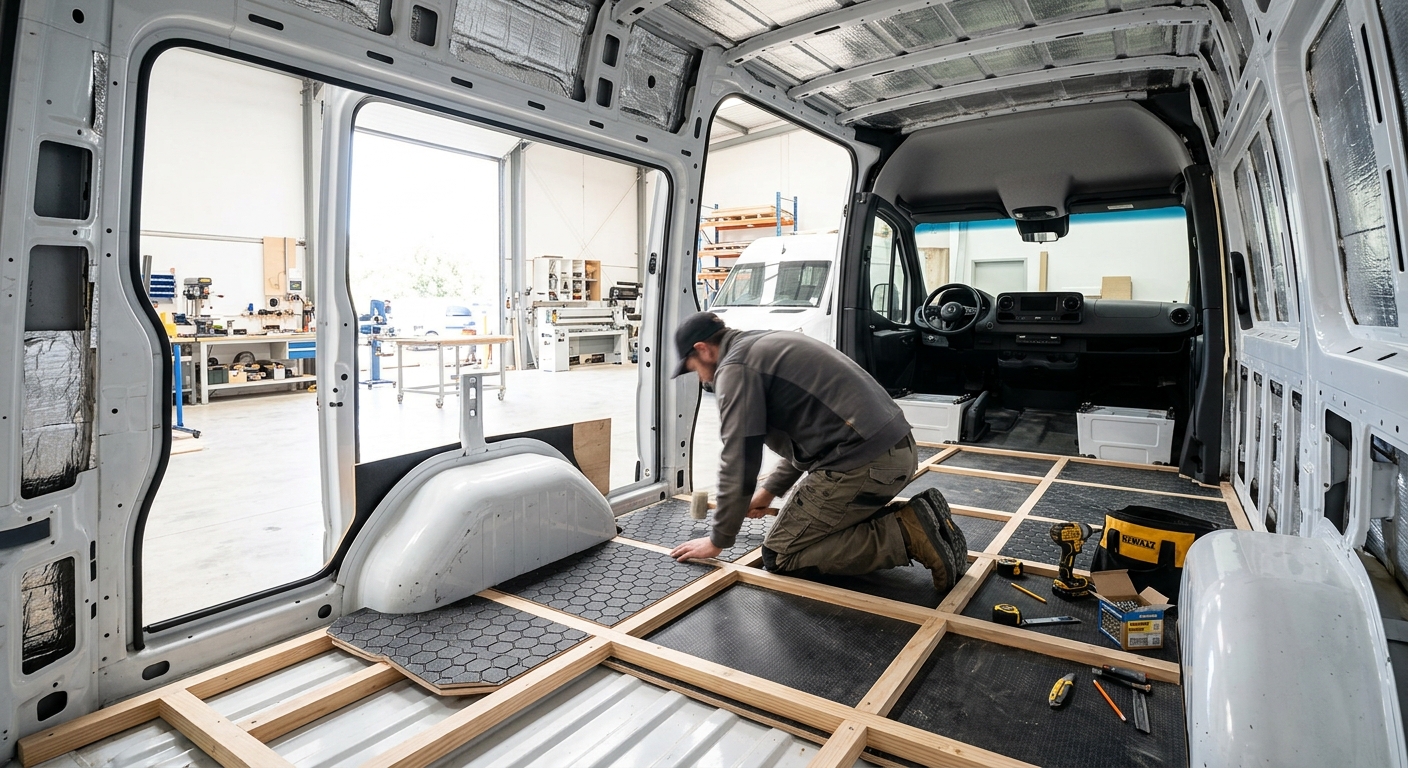
A rental operator we supplied in early 2024 ran a side-by-side test across their fleet. Six new Sprinter conversions got 18mm hexa-grip birch flooring; six got standard 18mm phenolic film-faced ply, both sealed with the same edge treatment.
After 18 months and roughly 40,000 km per van of high-turnover rental use (think ski season, mountain biking summers, plenty of wet boots), the results were clear:
The operator switched the entire fleet over at next refresh. That’s the kind of data driving the 2026 trend — not marketing claims.
Not all anti-slip plywood is equal. If you’re sourcing for a van build, these are the four numbers worth checking before you buy.
Birch core with 13 plies in 18mm thickness is the sweet spot for vehicle floors. It bends slightly under load instead of cracking, and the high ply count means screws hold properly even close to the panel edge. Eucalyptus core is cheaper and acceptable for static cargo areas but is less forgiving over a sprung chassis.
Look for 120–220 g/m² phenolic film on the wear face. Below 120 g/m², the hexagonal pattern wears smooth within two years of foot traffic. Above 220 g/m² is overkill for a vehicle and adds unnecessary cost.
WBP (weather and boil proof) phenolic glue, exterior class EN 314-2 Class 3. Anything less and a single condensation cycle under the floor will start delamination.
E1 or E0 at minimum. For vans sold in the US market or to California buyers, CARB P2 compliance is non-negotiable. Our campervan panel range ships with CE, CARB P2, and FSC documentation as standard.
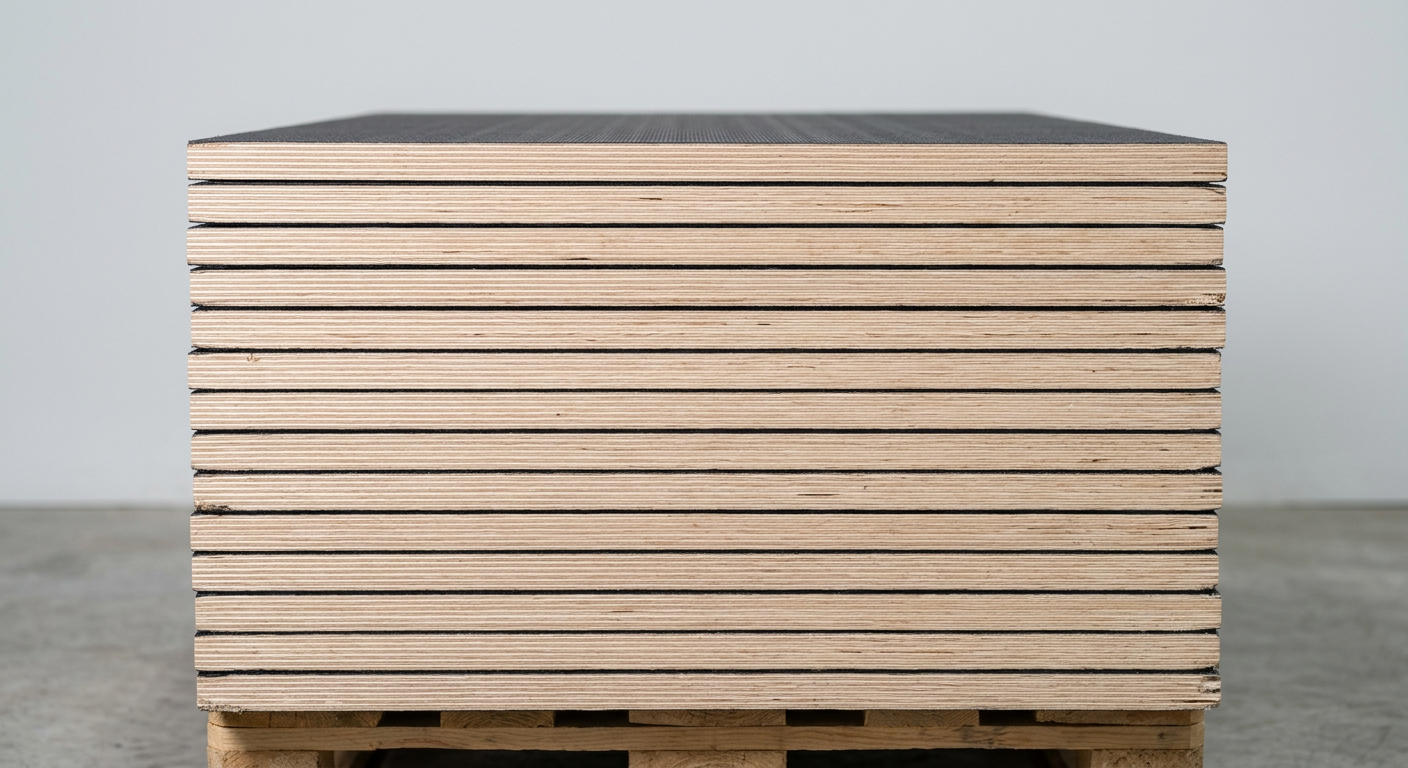
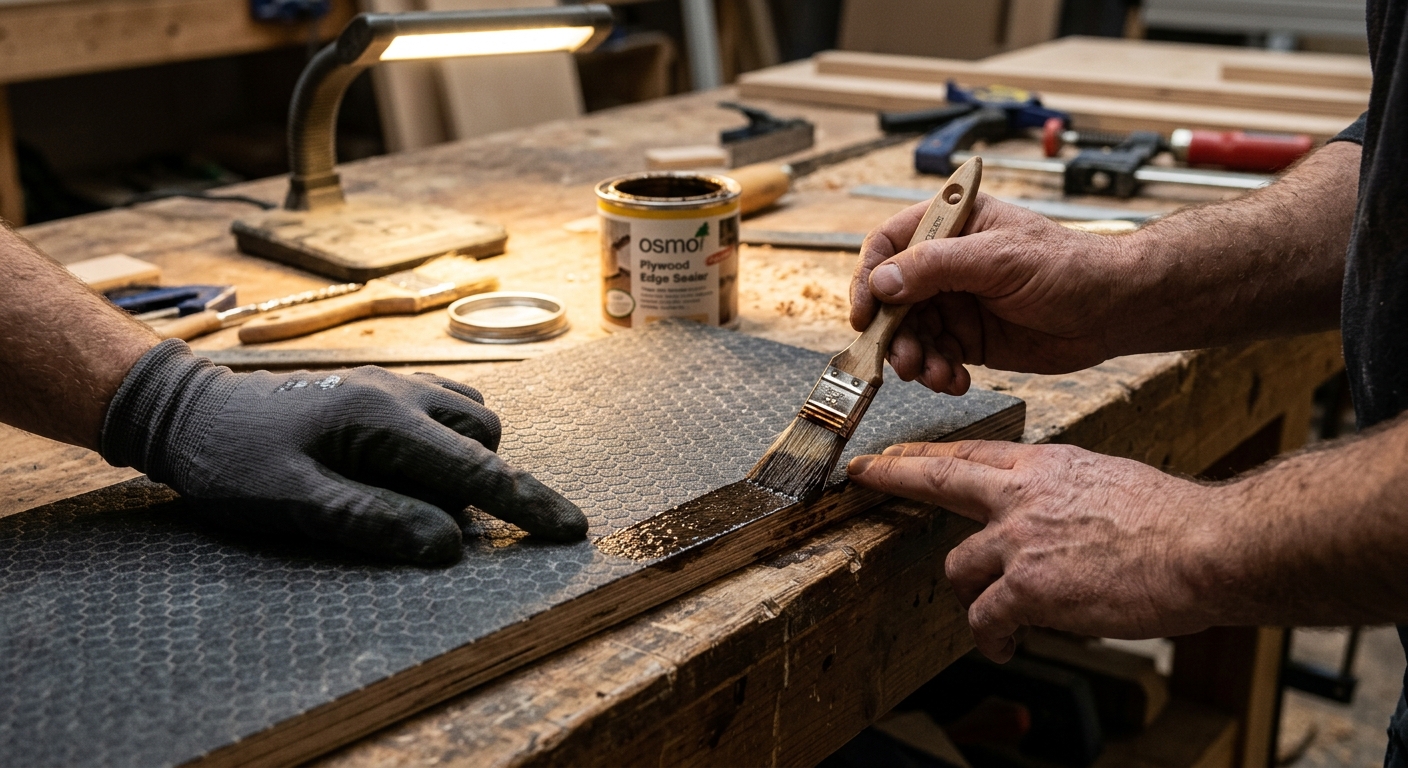
The single biggest failure mode for campervan floor plywood isn’t surface wear. It’s edge ingress. Water finds an unsealed cut and the core swells from the inside out.
A few practical rules from builders who get it right:
For builders worried about moisture from below, it’s worth reading our breakdown of why plywood water resistance fails in real-world use — most of the lessons apply directly to van floor installs.
Let’s be honest about scope. Anti-slip plywood is the right answer for the floor and any walk-on surface. It’s overspecified for walls, cabinets, and ceiling panels.
Using the right panel in the right place keeps weight down. A typical 6m Sprinter saves 18–25 kg by speccing anti-slip ply only where it earns its place.
For a long-wheelbase Sprinter or Ducato (roughly 6m²–7m² of floor area), here’s a realistic 2026 material budget using 18mm hexa-grip birch:
Total material outlay sits around €300–€370 per van. Compared to the labor-hours of replacing a delaminated floor mid-fleet life (typically 6–8 hours plus customer downtime), it’s the cheapest insurance you’ll buy on the whole build. For larger orders, container-load pricing brings the per-sheet cost down meaningfully — relevant for fleet operators and converters running 20+ vans a year.
If you’re ordering anti-slip plywood for vehicle work, ask the supplier for these documents before you commit. Any reputable mill should produce them within 24 hours.
One more practical tip: order a sample sheet before committing to a container. Run a wet shoe across it. If it grips noticeably, you’ve got the right panel. If it feels barely different from smooth phenolic, walk away.
Anti-slip plywood isn’t a niche product anymore. In 2026 it’s the baseline expectation for any serious campervan, shuttle, or commercial conversion floor — and the price has finally caught up with the logic. Pick the right thickness (18mm for floors, 12mm for ramps), seal every edge, use the right fixings, and you’ll build a floor that outlasts the rest of the conversion.
We’ve been pressing anti-slip plywood for vehicle builders since 2002, and we ship CE / CARB / FSC certified panels in container loads to converters across Europe, North America, and Australasia. If you’d like a sample, a custom size, or a quote for your next production run, get in touch with our team — or browse the full campervan panel range to see what’s stocked. While you’re researching, our piece on LVL vs solid lumber is also worth a read if you’re sourcing the bed-frame timber alongside the floor.

Film-Faced vs. Antislip Plywood for Concrete Formwork: Which One Actually Lasts Longer?

Understanding Bond Line Strength: The Adhesive Science Behind Durable Plywood

Acoustic Wall Panels in Modern Office Fit-Outs: Design Choices That Pay Off
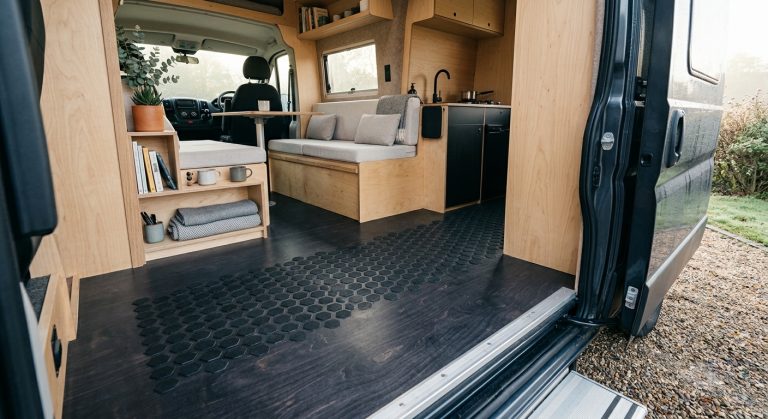
Anti-Slip Plywood for Campervan Flooring: Why Vehicle Builders Are Switching in 2026
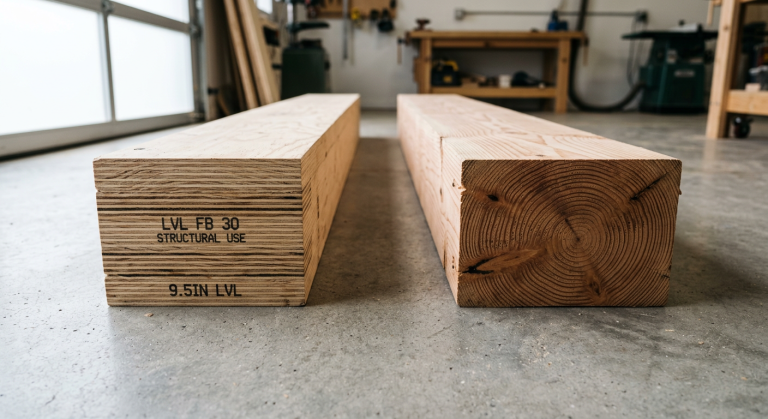
LVL vs. Solid Lumber: A Structural Comparison Every Builder Should Understand
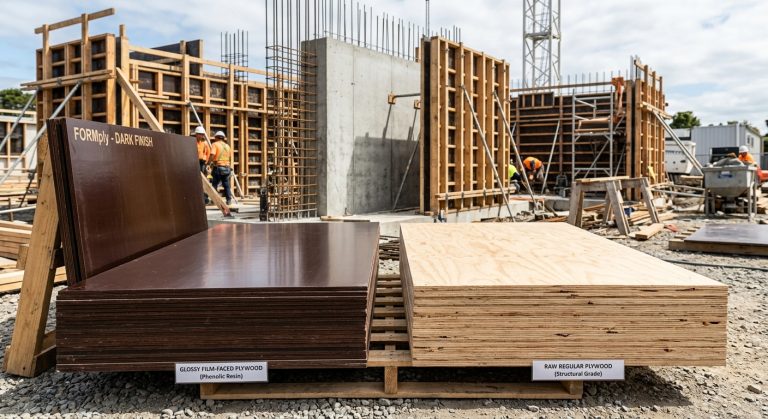
Film-Faced Plywood vs. Regular Plywood for Concrete Formwork: Which One Saves You Money?
Loading languages…