Language

Bond line strength is the single biggest factor separating plywood that lasts twenty years from plywood that delaminates after one wet season. It comes down to which resin bonds the veneers together, how well that resin cures under heat and pressure, and whether the glue line can withstand moisture cycling without breaking down. A panel can look flawless on the surface and still fail at the glue line within months if the wrong adhesive was used for the application.
Most buyers picture plywood glue as something like wood glue from a hardware store. It’s not even close. Industrial plywood adhesives are thermosetting resins — they cure through a chemical reaction triggered by heat and pressure, not by simple evaporation. Once cured, the bond is irreversible; you can’t reheat it and peel it apart like a hot-melt adhesive.
During hot pressing, veneers are stacked with resin spread between layers, then pressed at temperatures typically between 120°C and 140°C for several minutes per millimeter of thickness. The resin penetrates the wood cell structure at the surface, forming a mechanical and chemical bond. If pressure or temperature is inconsistent — a common shortcut in low-cost mills — you get starved glue lines with microscopic voids that look fine until the panel gets wet and the wood fibers swell against a bond that never fully formed.
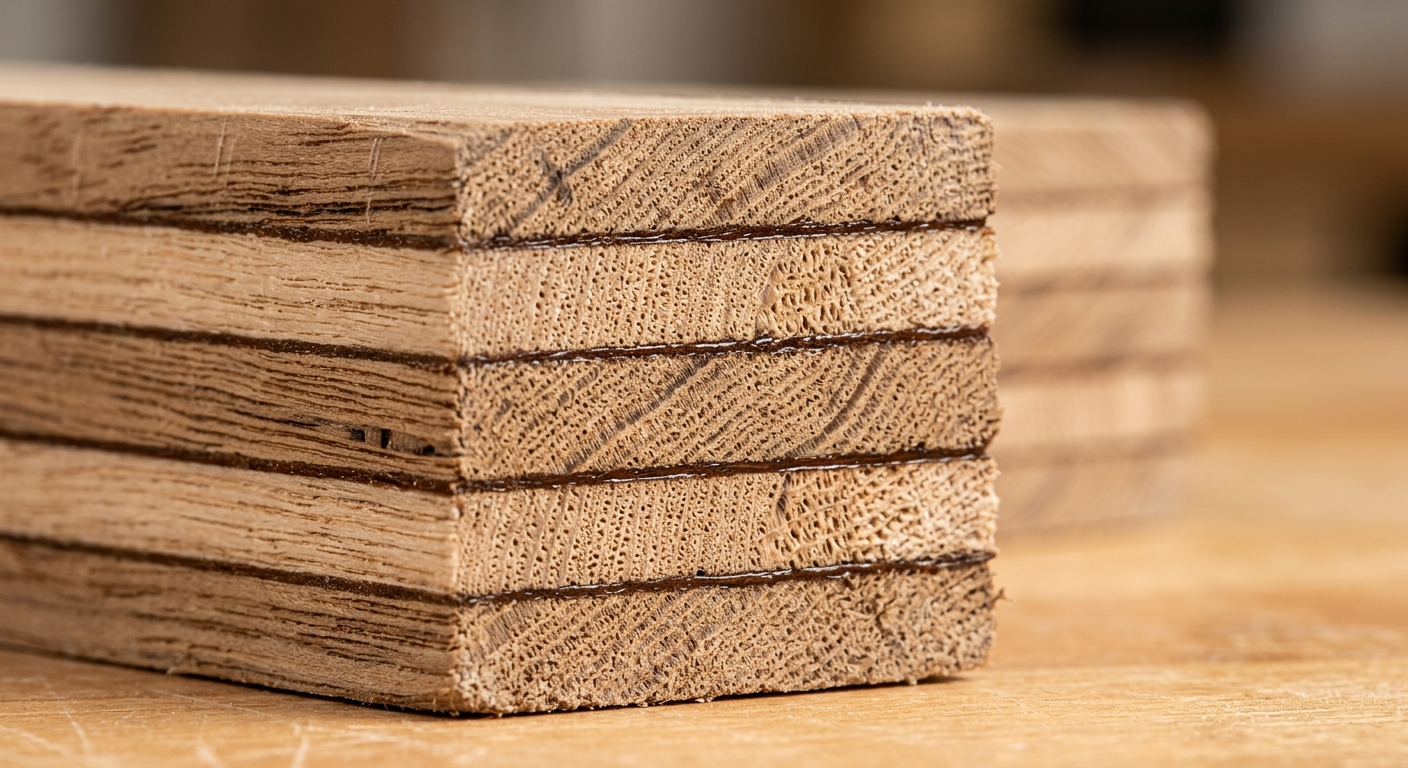
Not all plywood glue is created equal, and the resin family used tells you almost everything about how a panel will perform. There are three main categories worth knowing.
Cheap, fast-curing, and fine for dry interior furniture. UF bonds break down when exposed to sustained moisture — this is why budget plywood swells and separates after a plumbing leak.
A step up. Melamine is added to improve water resistance without the full cost of phenolic resin. Common in mid-tier flooring underlays and semi-exterior panels.
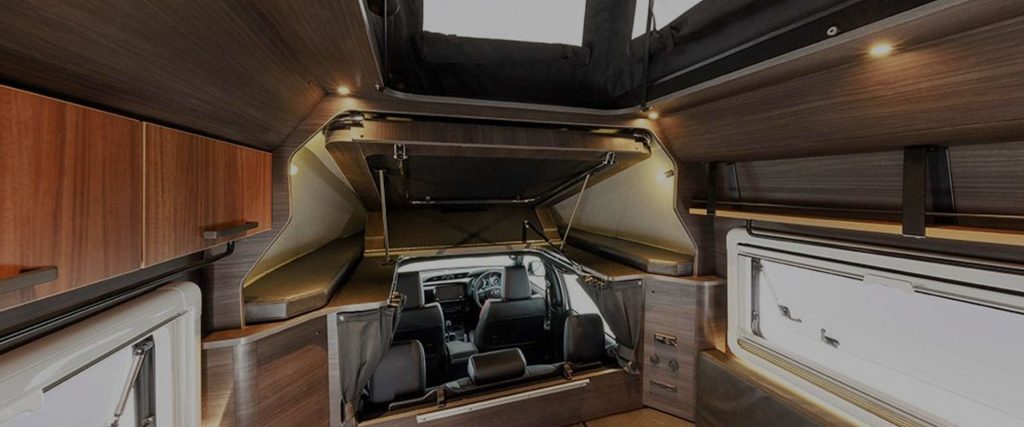
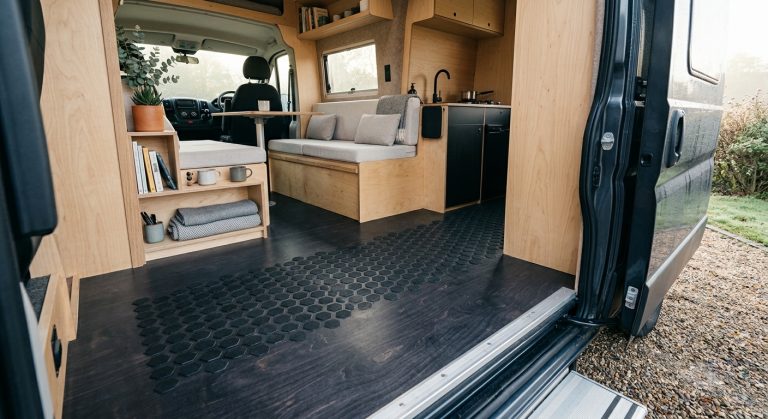
The industry standard for anything exterior, structural, or repeatedly wet — think concrete formwork, marine applications, and campervan flooring. PF resin cures into a dark, almost black bond line and holds up through repeated wet-dry cycles that would destroy UF-bonded panels. This is the resin behind true WBP (Weather and Boil Proof) plywood.
If you’re comparing plywood for outdoor use, the resin type matters more than the wood species. A tropical hardwood veneer bonded with UF glue will still fail outdoors faster than a softwood panel bonded with proper phenolic resin.
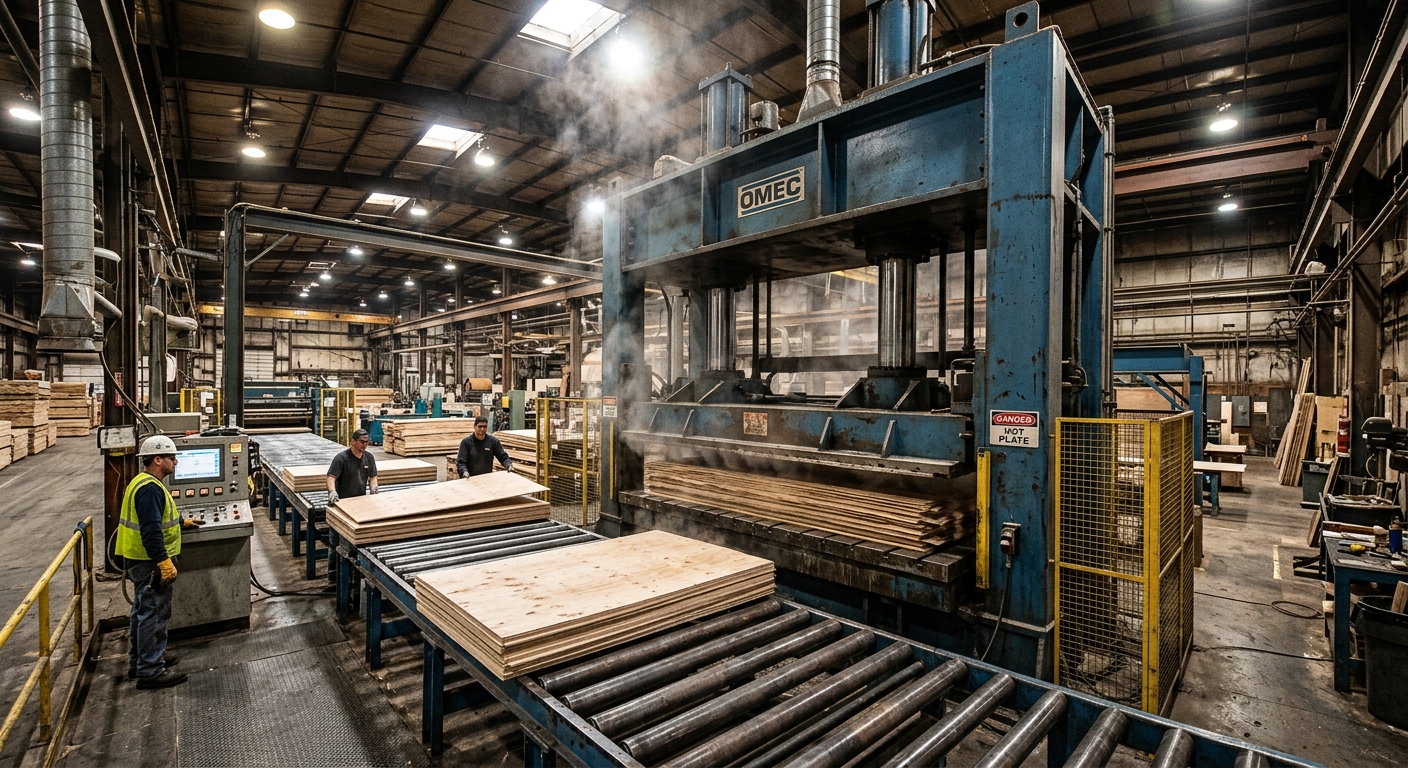
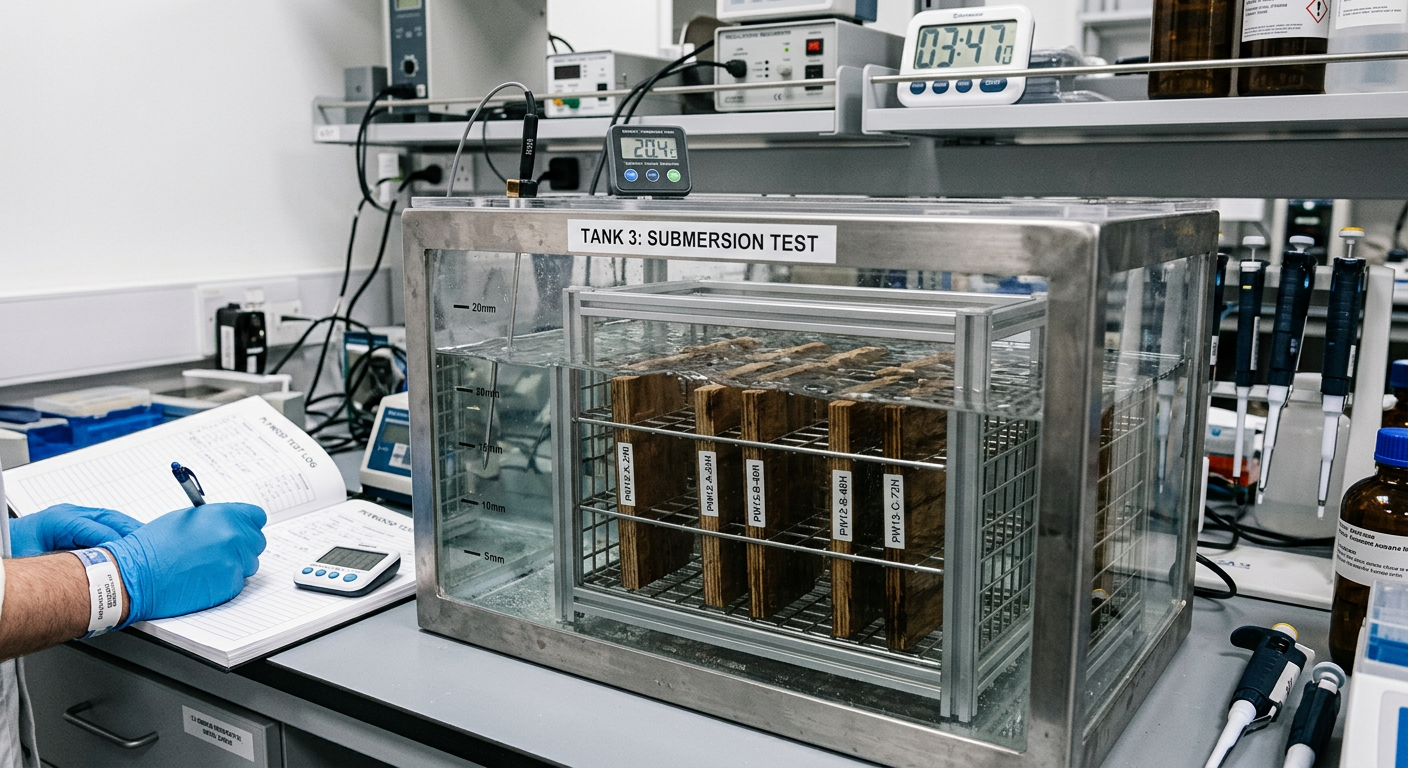
You can’t judge glue bond by looking at a panel — you have to try to break it. Standard test methods simulate years of real-world stress in a lab setting over hours.
Reputable suppliers run boil tests on production batches, not just prototype samples. If a supplier can’t show you boil test results or shear strength data, that’s a red flag worth pushing on before placing a bulk order.
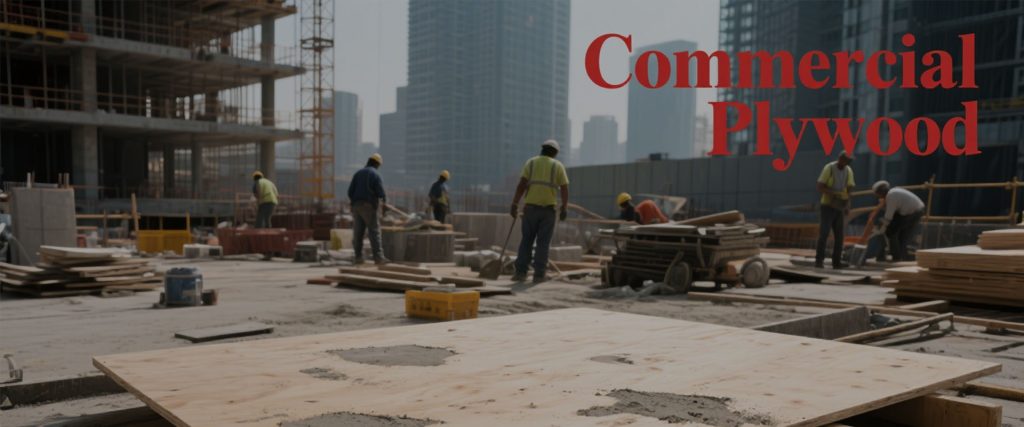
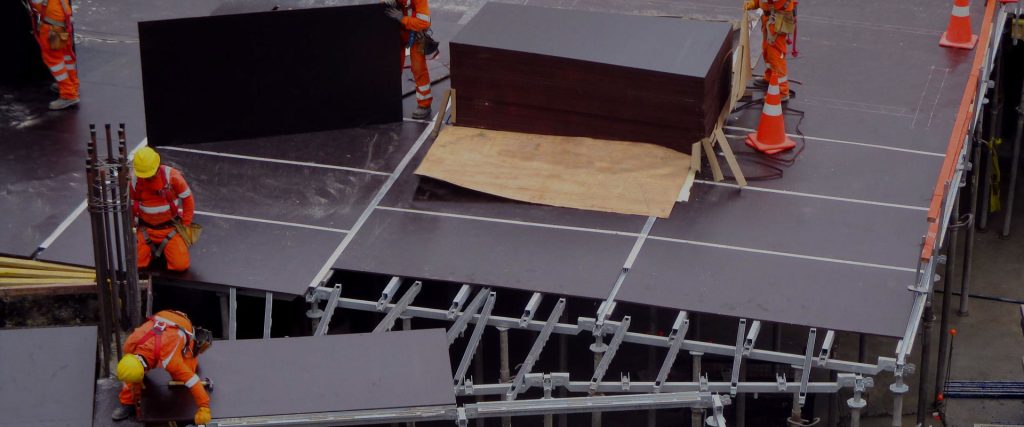
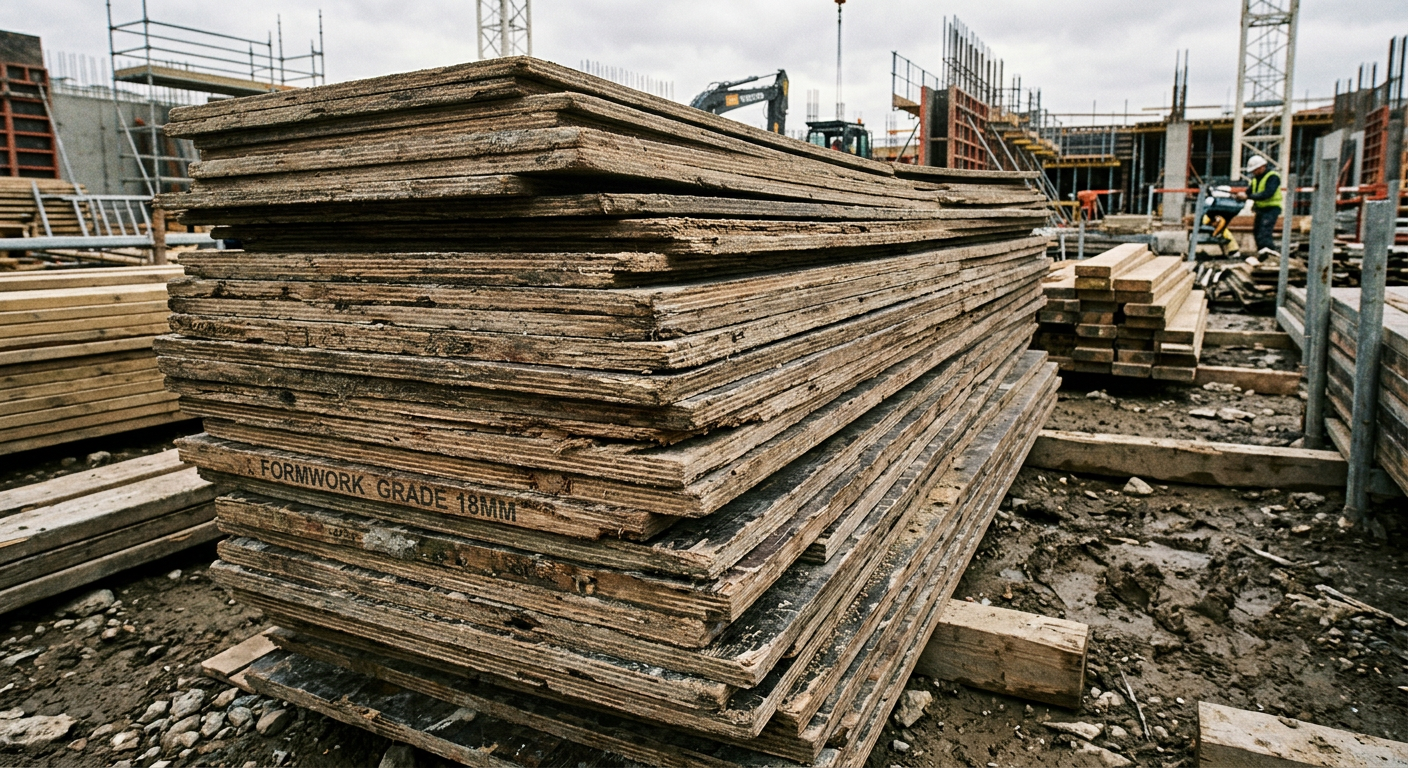
Concrete formwork plywood gets soaked, reused, stripped, and re-soaked dozens of times on a single project. This is the harshest real-world test for bond line integrity there is.
For example, a mid-sized contractor pouring foundations across a multi-building residential site typically expects 8-10 reuses from a formwork panel before edge delamination sets in. Panels bonded with true phenolic resin and finished with a film face routinely deliver that; panels cut with cheaper MUF glue as a cost-saving substitute often start lifting at the edges after 3-4 pours. The math doesn’t work out — the contractor ends up buying panels twice as often, wiping out any savings from the lower unit price.
This is exactly the kind of tradeoff covered in our comparison of plywood water resistance failures — bond line quality is almost always the hidden variable behind premature panel failure, not the face veneer.
Here’s something buyers rarely hear: the resins that create the strongest bond lines also tend to off-gas more formaldehyde unless properly formulated. This is why CARB2 and E1 emission standards exist — they cap formaldehyde release without forcing manufacturers to weaken the bond itself.
Modern low-emission MUF and PF formulations achieve CARB Phase 2 compliance by controlling the molar ratio of formaldehyde to urea/melamine during resin synthesis, not by using less resin. Panels certified under CE, CARB, and FSC — like those produced under proper quality control — prove that strong bond lines and low emissions aren’t mutually exclusive. It just costs more to formulate correctly, which is exactly why rock-bottom pricing on “exterior grade” plywood should raise questions.
Delamination rarely announces itself immediately — it shows up weeks or months after installation, once moisture and thermal cycling have had time to work on a weak bond. But there are early warning signs at the point of receiving stock.
These checks pair well with a broader defect inspection — we cover more visual red flags in our companion piece on common plywood defects. For a deeper look at how core construction affects overall panel behavior, see our guide to different types of ply board.
Instead of asking ‘what’s the best glue,’ ask ‘what’s the worst-case moisture and stress exposure this panel will face.’ That reframes the decision correctly.
UF-bonded panels are fine and cost-effective for furniture carcasses, wall linings, and cabinetry that never sees standing moisture.
MUF bonding suits flooring underlayment, semi-exposed sheds, or transport applications where moisture is intermittent, not constant.
PF-bonded, WBP-rated plywood is non-negotiable — this covers formwork, marine decking, campervan exteriors, and any structural application under our full plywood product range. Cutting corners here isn’t a cost saving; it’s a deferred liability.

How to Inspect Plywood Core Voids and Delamination Before Accepting a Bulk Order

Plywood Container Loading Guide: Moisture Protection, Palletizing, and Sheet Damage Prevention

Film-Faced vs. Antislip Plywood for Concrete Formwork: Which One Actually Lasts Longer?

Understanding Bond Line Strength: The Adhesive Science Behind Durable Plywood

Acoustic Wall Panels in Modern Office Fit-Outs: Design Choices That Pay Off
Anti-Slip Plywood for Campervan Flooring: Why Vehicle Builders Are Switching in 2026
Loading languages…