Language
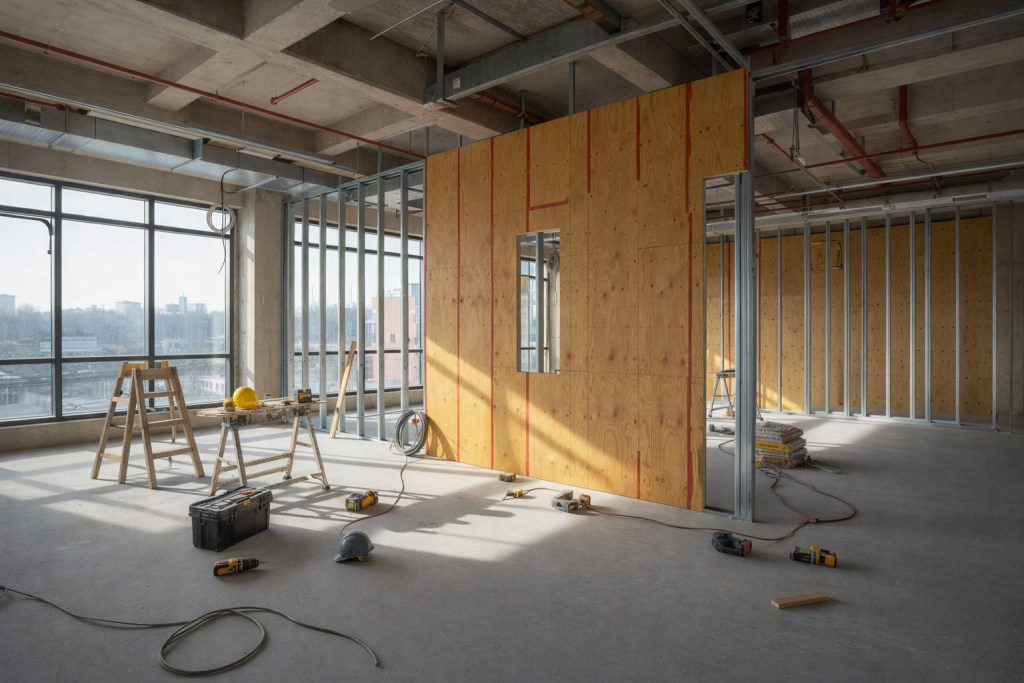
Fire rated plywood ratings define how well plywood or laminated plywood boards resist flame spread and support fire safety in buildings. Architects, builders, and regulators use these ratings to ensure materials meet fire safety requirements in commercial interiors, public facilities, furniture manufacturing, and wall panel systems.
Manufacturers produce fire rated plywood and High-Pressure Laminate (HPL) fireproof board using fire-resistant treatments or materials that slow combustion and reduce flame spread. By understanding fire rating classifications, standards, and certification systems, architects, contractors, and buyers can select compliant materials that improve safety and durability in interior applications.
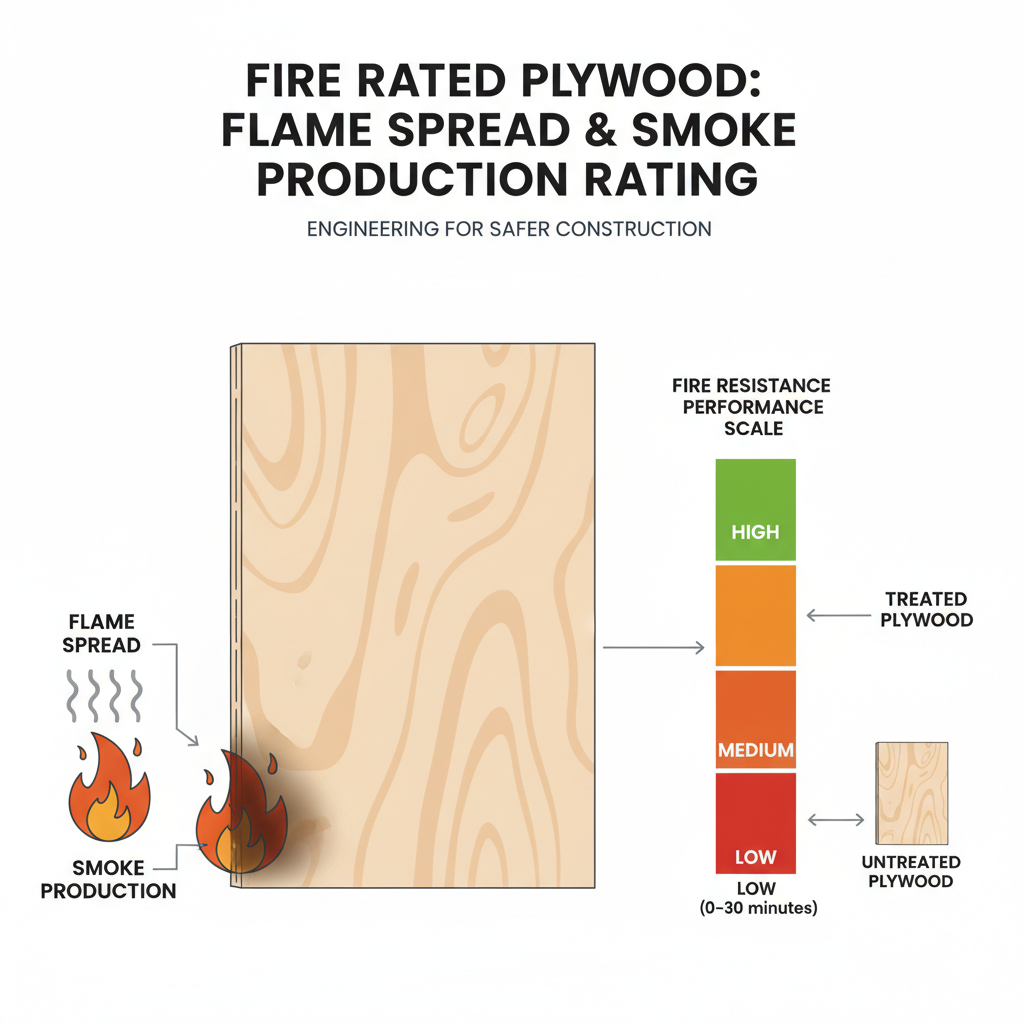
A fire rated plywood rating measures how a plywood panel or laminated board performs when exposed to fire under standardized testing conditions. The rating indicates how effectively the material slows flame spread and reduces smoke production.
Manufacturers typically produce fire rated plywood using fire-retardant resins, treated veneers, or laminated structures such as High-Pressure Laminate (HPL) fireproof board surfaces. These materials resist ignition and slow fire progression when exposed to heat, which helps improve building safety and provides more evacuation time.
Testing organizations determine fire ratings through internationally recognized fire testing standards such as ASTM E84 and EN 13501.
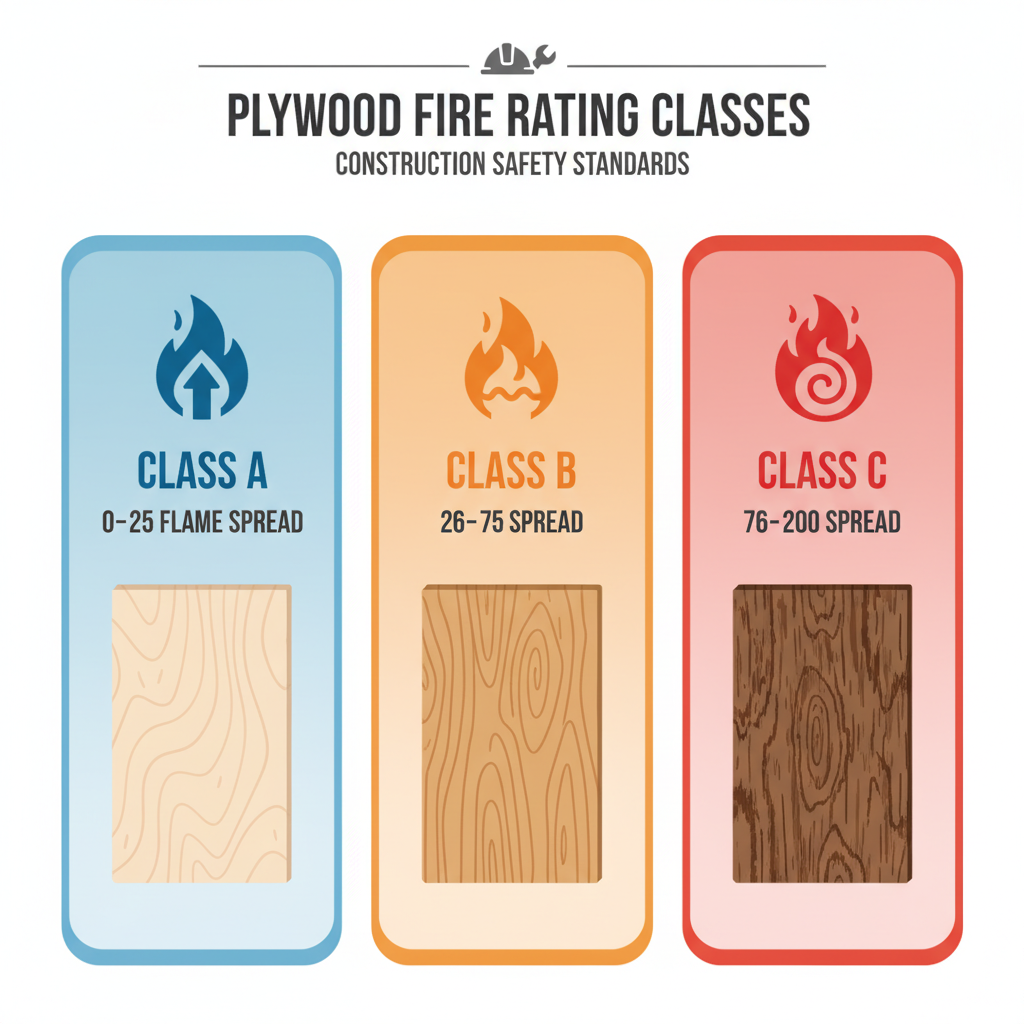
The most important measurement in fire rated plywood rating is the flame spread index, which determines how quickly flames move across the material surface.
Fire rated plywood is classified into three main rating classes:
| Fire Rating Class | Flame Spread Index | Fire Resistance Level |
|---|---|---|
| Class A | 0–25 | Highest fire resistance |
| Class B | 26–75 | Moderate fire resistance |
| Class C | 76–200 | Basic fire resistance |
Class A materials provide the best fire protection and are commonly used in commercial buildings, hospitals, schools, and public facilities.
Lower flame spread ratings indicate better fire performance and improved building safety.
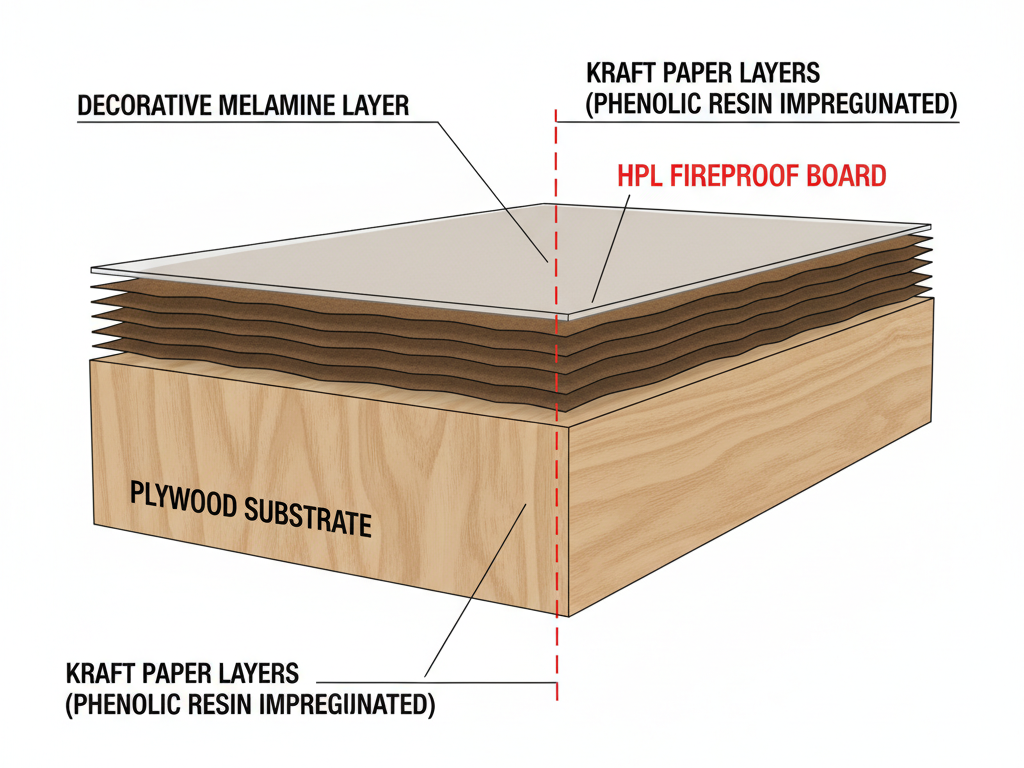
Fire rated laminated plywood and HPL fireproof boards provide enhanced fire resistance while maintaining excellent durability, structural stability, and decorative performance.
Manufacturers produce HPL fireproof boards by layering multiple sheets of kraft paper impregnated with phenolic resin together with decorative paper treated with melamine resin; the same phenolic resin technology is applied throughout structural phenolic boards used for high-load formwork and flooring. They then bond these layers under high temperature and pressure to create a dense, fire-resistant surface.
These boards combine fire protection with decorative finishes, making them ideal for modern commercial and public interior applications.
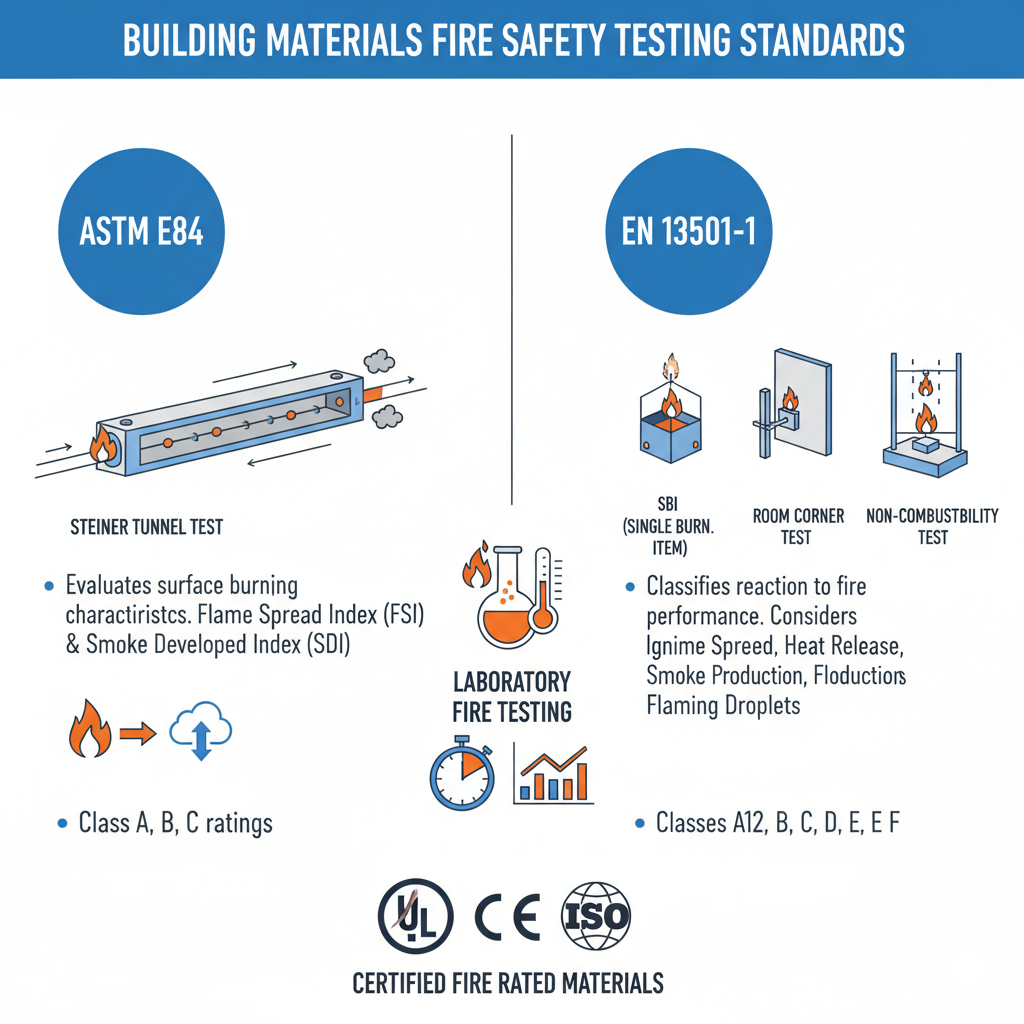
Fire rated plywood and laminated boards must meet recognized international fire safety standards.
ASTM E84 measures flame spread index and smoke development. This test determines whether plywood qualifies as Class A, B, or C fire rated material.
EN13501 classifies materials based on fire reaction performance. Fire rated laminated boards may achieve ratings such as B-s1,d0, indicating strong fire resistance and low smoke production.
ISO and CE certifications ensure product quality, safety, and compliance with international construction standards.
Certified fire rated plywood provides verified fire performance and reliable safety.
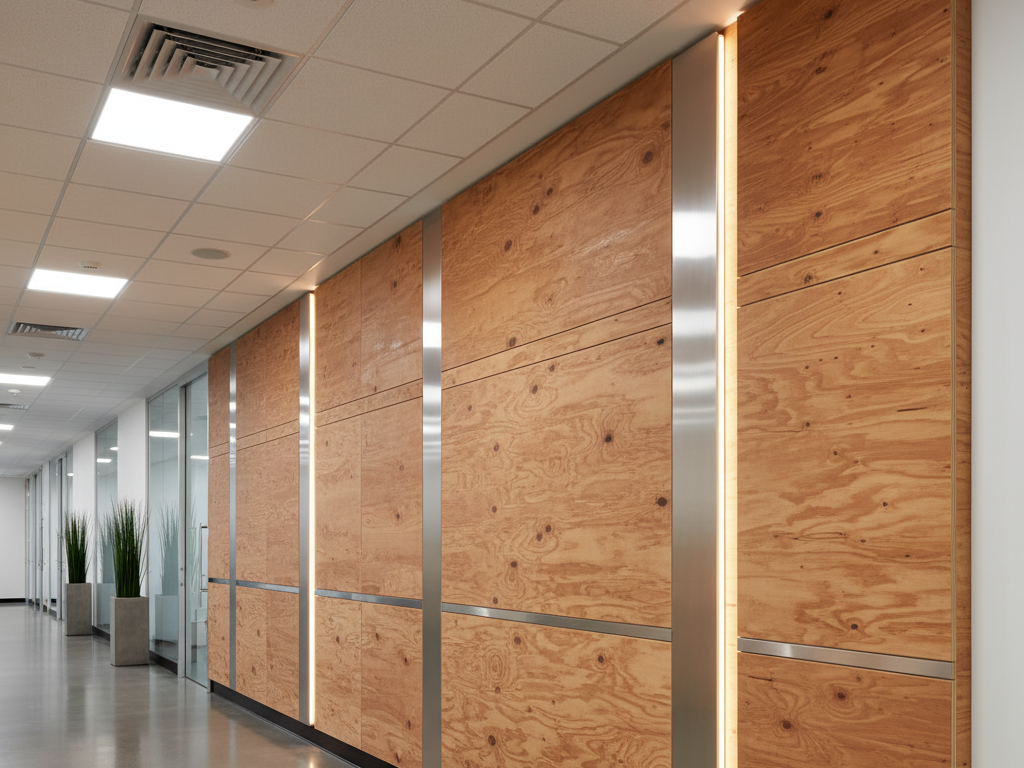
Fire rated plywood and laminated boards are widely used in interior environments where fire safety is required.
Used in offices, shopping malls, hotels, and public buildings to improve fire safety and interior durability.
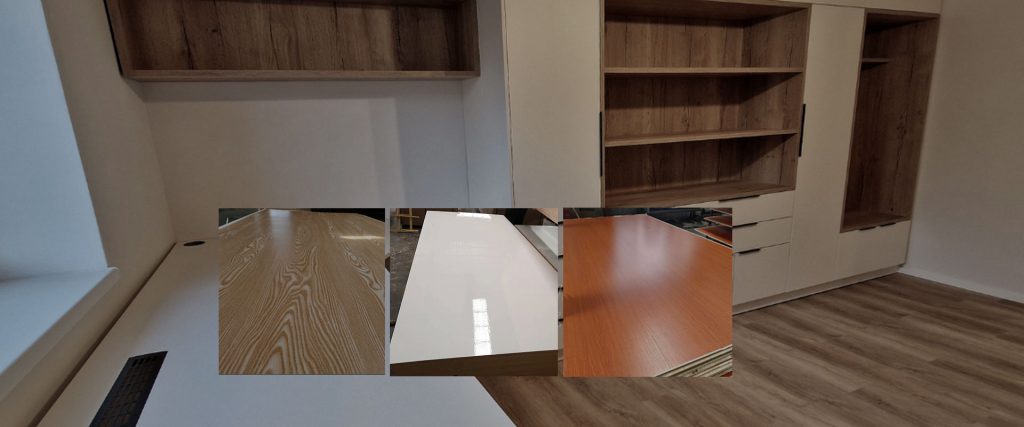
Used in cabinets, wardrobes, and decorative panels to provide fire-resistant and durable surfaces.
Used in hospitals, schools, and laboratories where strict fire safety standards must be met.
Used in airports, railway stations, and public transport interiors for improved fire protection and durability.
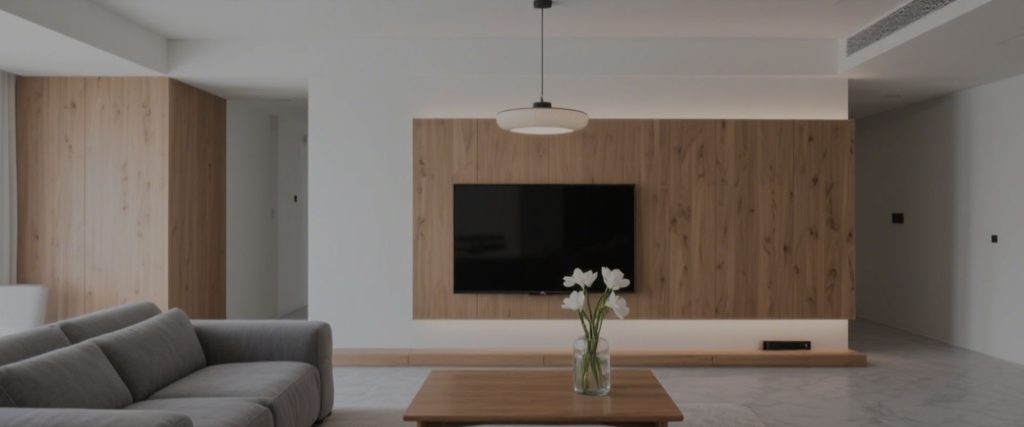
Used in decorative wall cladding, ceiling panels, and partition systems to provide both fire resistance and aesthetic performance.
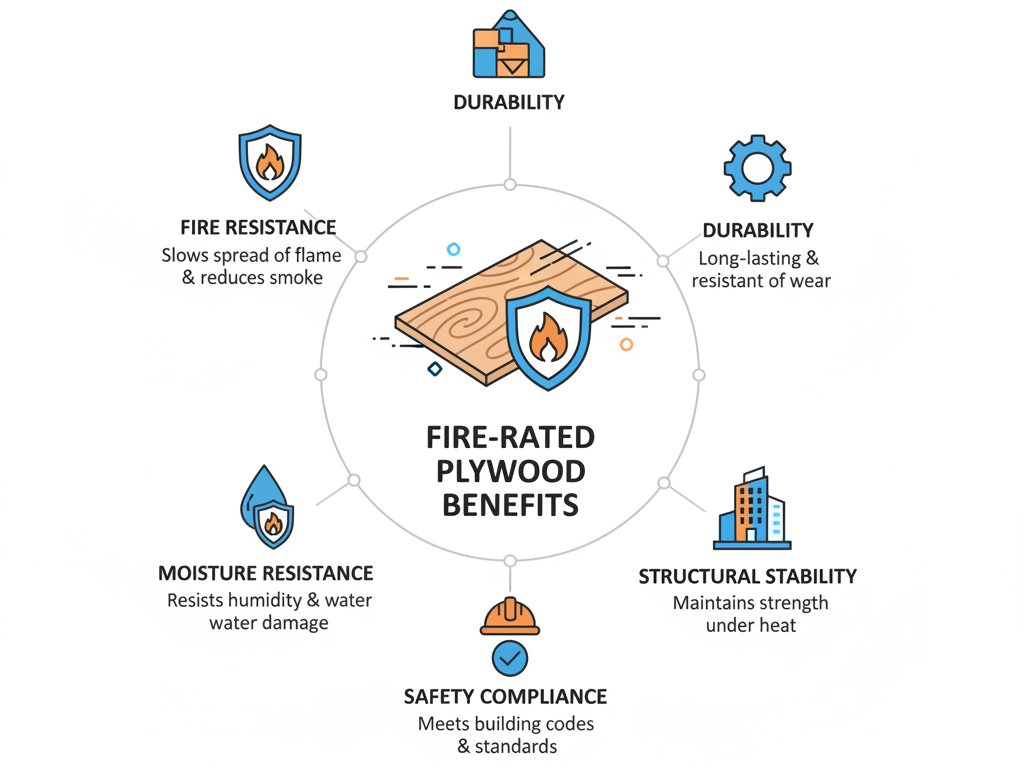
Fire rated plywood and laminated boards offer multiple safety and performance advantages.
Key benefits include:
These advantages make fire rated plywood an essential material for safe and modern interior construction.
Selecting the correct fire rated plywood depends on application requirements and safety standards.
Ensure the plywood or laminated board meets ASTM E84, EN13501, or equivalent fire safety standards.
Choose materials suitable for interior wall panels, furniture manufacturing, and decorative applications.
Ensure proper material selection based on environment and safety requirements.
Reliable suppliers provide certified fire rated plywood with consistent quality and compliance documentation.
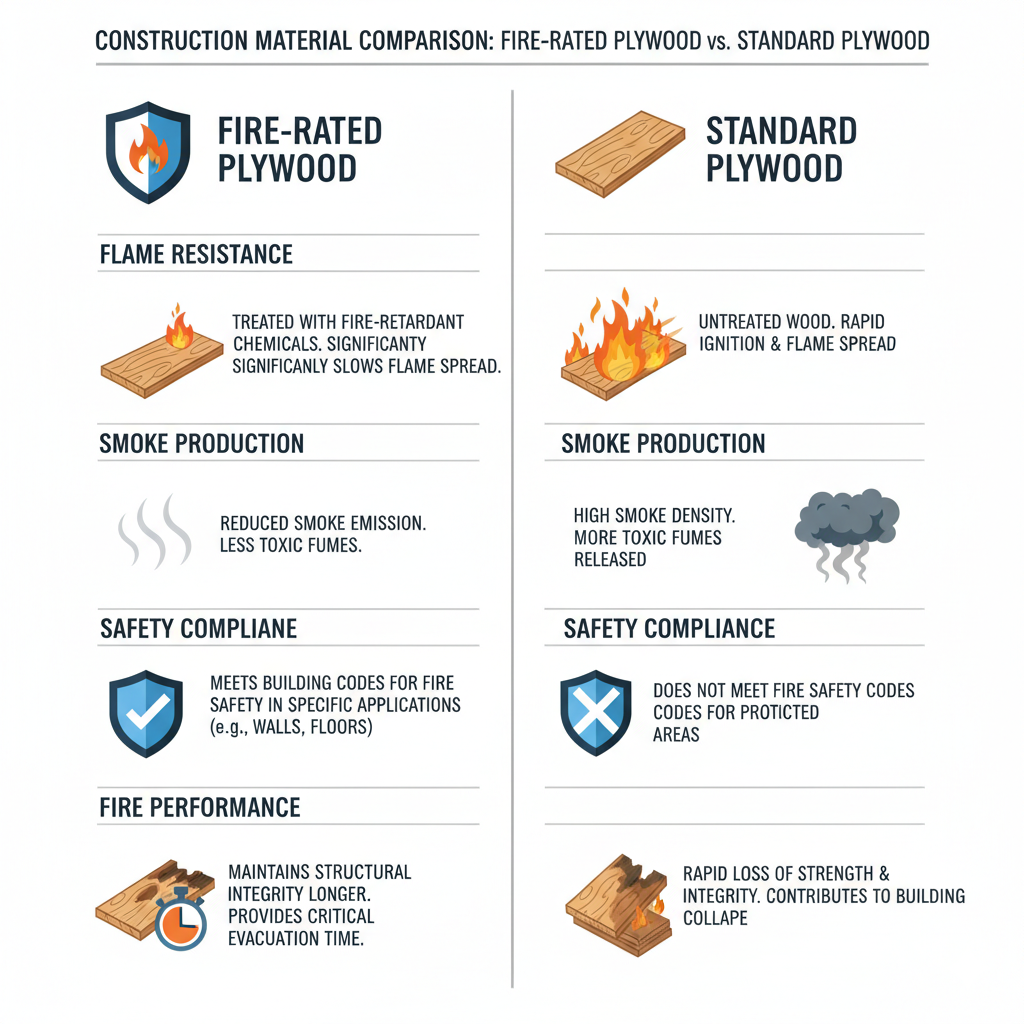
| Feature | Fire Rated Plywood | Standard Plywood |
|---|---|---|
| Flame spread resistance | High | Low |
| Fire safety compliance | Yes | No |
| Fire retardant properties | Yes | No |
| Commercial safety use | Suitable | Limited |
| Interior fire protection | Excellent | Basic |
Fire rated plywood improves safety while maintaining strength and durability.
Class A offers the highest fire resistance and is widely used in commercial interior applications.
Yes. Manufacturers design HPL fireproof boards to meet international fire safety standards and deliver excellent fire resistance performance.
Check certification markings, technical documentation, and compliance with ASTM, EN, or ISO fire safety standards.
Commercial interiors, furniture manufacturers, and public facility designers commonly use fire rated plywood for wall panels, furniture manufacturing, and interior applications.
Fire rated plywood rating is a critical factor in ensuring building safety and fire protection. Understanding fire classification levels, certification standards, and material performance helps ensure proper selection for commercial interiors, furniture manufacturing, and public facilities.
Fire rated laminated plywood and HPL fireproof boards provide reliable fire resistance, excellent durability, and compliance with international safety standards. Choosing certified fire rated plywood improves safety, protects property, and ensures compliance with modern construction and interior safety requirements.

How to Inspect Plywood Core Voids and Delamination Before Accepting a Bulk Order

Plywood Container Loading Guide: Moisture Protection, Palletizing, and Sheet Damage Prevention

Film-Faced vs. Antislip Plywood for Concrete Formwork: Which One Actually Lasts Longer?

Understanding Bond Line Strength: The Adhesive Science Behind Durable Plywood

Acoustic Wall Panels in Modern Office Fit-Outs: Design Choices That Pay Off

Anti-Slip Plywood for Campervan Flooring: Why Vehicle Builders Are Switching in 2026
Loading languages…